Montepulciano’s disputed “Caravaggio” returns to the table
The gentleman in black at Montepulciano has spent more than fifteen years waiting for his painter to be agreed upon. On 7 November, scholars will gather to consider him again. It is a welcome opportunity to look closely at a fine portrait whose interest need not depend on whether the name Caravaggio remains attached to it.
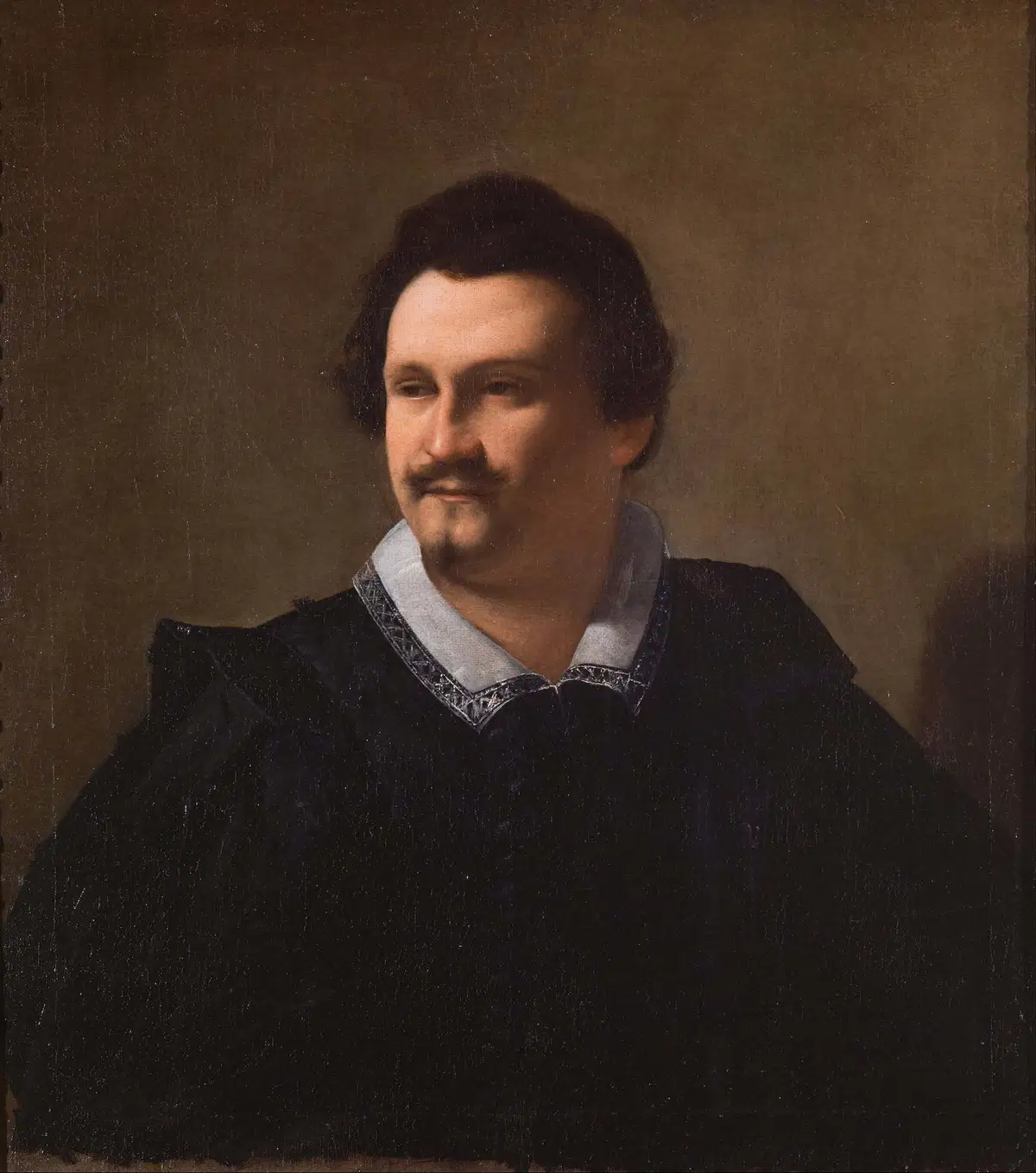
The painting, in the Museo Civico-Pinacoteca Crociani, attracted wider attention in 2010 when Massimo Pulini proposed an attribution to Caravaggio and suggested that its sitter might be the young Scipione Borghese. The combination was irresistible: a neglected picture, a celebrated painter and the future cardinal whose collecting would help shape our understanding of Roman Baroque art. Neither identification, however, should be mistaken for a settled conclusion.
Pulini is organising the forthcoming study day, L’identità ritratta agli albori del Seicento, at Montepulciano’s Palazzo Comunale. Francesca Cappelletti, director of the Galleria Borghese, will preside, with contributions from Gianni Papi, Francesco Petrucci, Francesca Curti and Yuri Primarosa, among others. A new campaign of high-resolution photography by Gilberto Urbinati should give the discussion a firmer visual basis.
There is another name worth bringing into the conversation: Orazio Gentileschi. As a suggestion for investigation, rather than a replacement attribution, he offers an intriguing direction. The question would be whether the portrait’s particular character is better understood through Orazio’s response to Caravaggio than through Caravaggio himself. That comparison deserves to be made through the handling of flesh, the construction of the head and the transitions between light and shadow, with the original in front of the participants.
A convincing case would require more than a general resemblance to the Roman naturalism of the period. But the same requirement applies to the existing proposal. Darkness, psychological presence and quality are not signatures, however readily they become shorthand for Caravaggio in accounts of newly promoted pictures. A portrait can possess all three and belong to another considerable painter.
Orazio should not enter the discussion as a consolation prize. The purpose of an attribution is to recognise an individual hand, and a persuasive identification with Gentileschi would be an important result in its own right. Nor would the picture become less compelling if the investigation eventually led elsewhere. Its quality is what makes the unresolved authorship worth pursuing.
Encouragingly, the conference programme extends beyond the Montepulciano painting to portraiture by and around Ottavio Leoni, Scipione Pulzone and other artists working across the turn of the seventeenth century. Pulini’s own paper places the Gentleman in Black within a Lombard-Venetian tradition, while another considers images of Scipione Borghese. Proceedings are planned for publication.
That broader company should serve the portrait well. The useful outcome would be a clearer account of its painter, sitter and place in the period, whether or not it supplies another Caravaggio headline. Orazio Gentileschi is a possibility worth testing. The gentleman has waited long enough to be allowed more than one famous name.