Has Caravaggio’s lost ‘Sense of Smell’ been found?
It’s Caravaggio-tastic in the news at present. But this latest announcement is quite tantalising. This long known composition from many copies was described by Baglione in detail and was known to have been in D’Arpino’s studio in 1607.
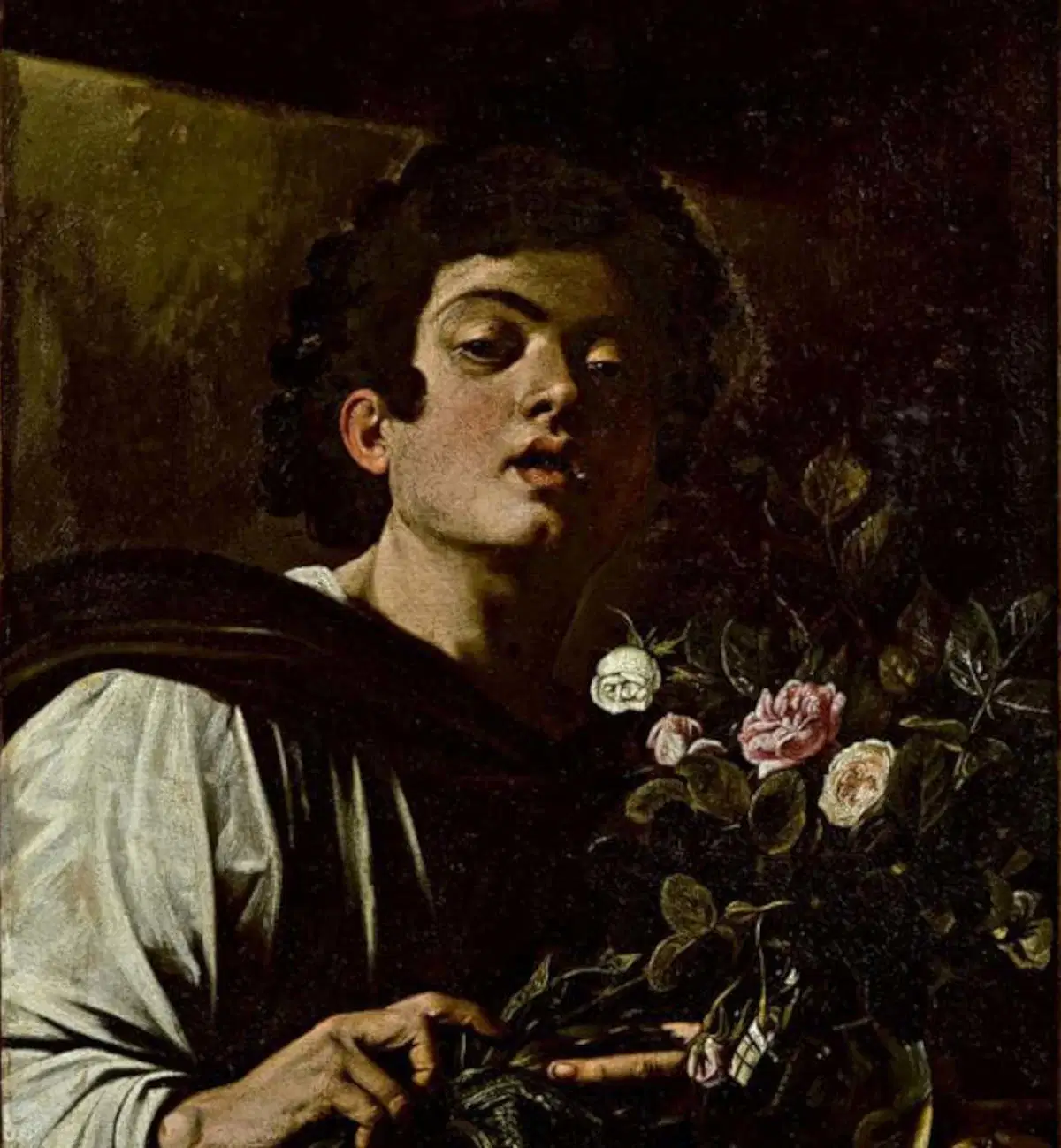
A young man holds a carafe of roses, his lips parted, his heavy-lidded gaze directed towards us. Light catches the loose white sleeve, the petals and the reflection of a window in the glass. The flowers crowd towards his face, bringing their implied fragrance into the narrow space between the sitter and the spectator. Among the recent paintings proposed as lost Caravaggios, this one gives rather more reason to pause.
Maria Cristina Terzaghi has identified the privately owned Young Man with a Carafe of Roses as a work by the artist, describing her discovery in La Repubblica on 8 November. She encountered it in the back room of a Parisian gallery. Its emergence brings a tantalising possibility into view: the recovery of a composition long associated with Caravaggio but familiar through other versions.
The photograph released is certainly intriguing but not very good. What is the excuse for this? If the work is right - release a good photo of it? Still from what one can see it is clearly of better quality to the known copies. Brushwork in the drapery looks tantalising.
Terzaghi dates the canvas to 1596-97. As Finestre sull’Arte reports, she connects it with Boy Bitten by a Lizard and the longstanding suggestion that the compositions represent the senses: touch in the startled recoil from a bite, smell in the proximity of a young man to roses. “Sense of Smell” is therefore an interpretation of the subject, rather than a securely established original title.
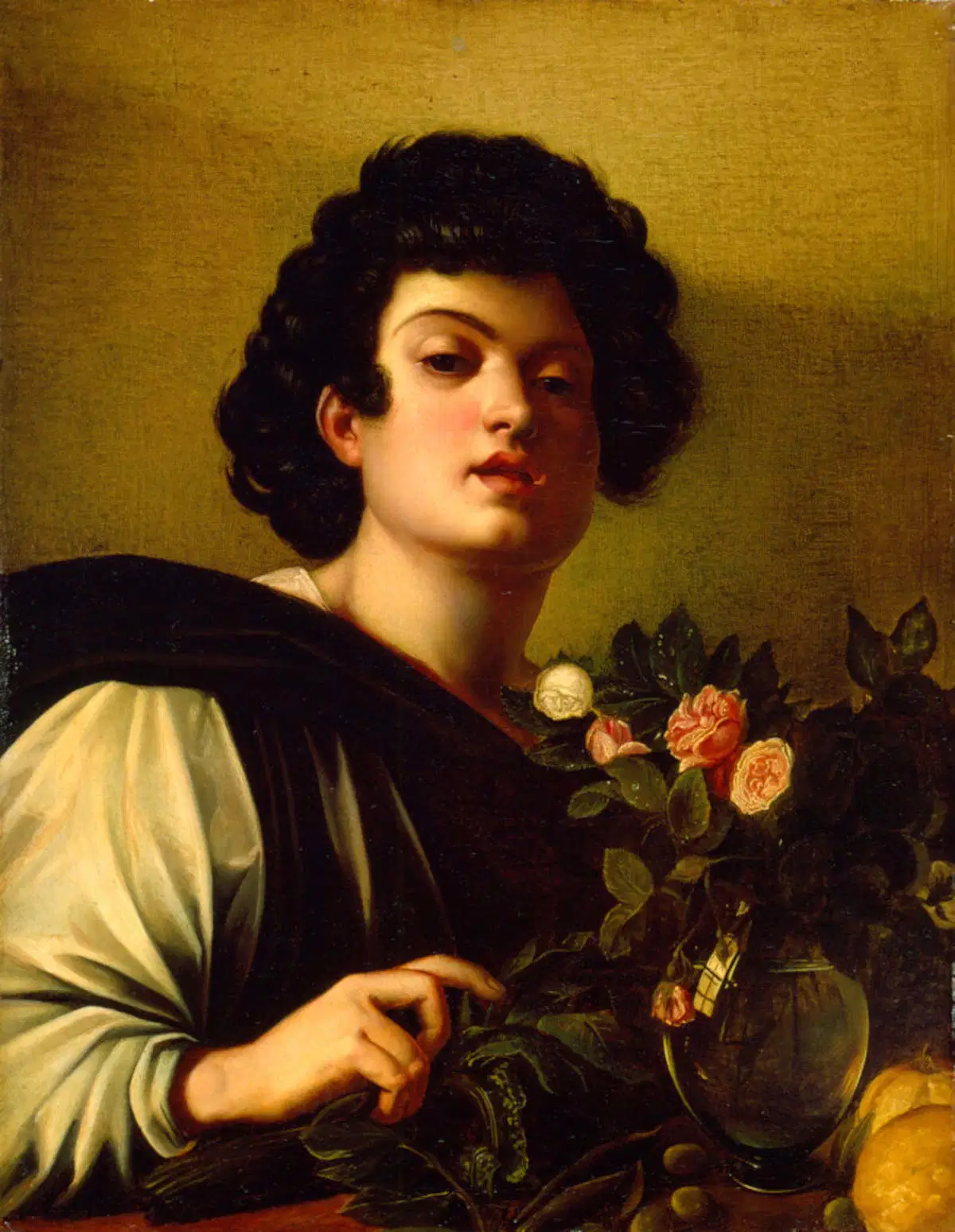
The comparison opens an attractive route into Caravaggio’s early ambitions. In the National Gallery’s Boy Bitten by a Lizard, dated about 1594-95, fruit, flowers and glass share the foreground with a sudden human reaction. The museum considers it almost certainly a picture made for the open market. Its combination of still life, sensual appeal and arresting incident offered collectors something immediately recognisable and startlingly unfamiliar.
The roses composition would sit comfortably within that world. Fragrance presents a painter with an especially pleasing challenge: an invisible sensation must be suggested through visible things. Here the closeness of flesh and flowers does much of the work. Whether or not a complete series of the senses was ever intended, the subject allows a picture of a handsome young man to acquire another register without losing its intimacy.
News of the French painting has, however, been circulating for some time. Fernando Rayón reported its existence in Ars Magazine on 30 January 2025, when no photograph of the proposed original was published. His account linked it to the Borghese collection and claimed a subsequent Napoleonic provenance. Those claims should remain attributed to the report until the underlying documents can be examined.
Terzaghi’s reconstruction, summarised by Finestre sull’Arte, traces the work through the seizure of Cavalier d’Arpino’s collection in 1607 and the Borghese holdings, where she places it until 1831. A Paris sale in 1909 supplies the later history, but the intervening passage from Italy to France remains unresolved in the published account.
The existence of other versions makes this a more focused attribution problem than the sudden promotion of an unrelated painting. There is already a composition to investigate and a group of objects against which to test the French canvas. Yet that also makes comparison essential. The question is whether this painting has the authority and evidence of an original, rather than simply being the most seductive surviving version. Seeing it beside the copies, with its condition and technical examination properly documented, would advance the discussion considerably.
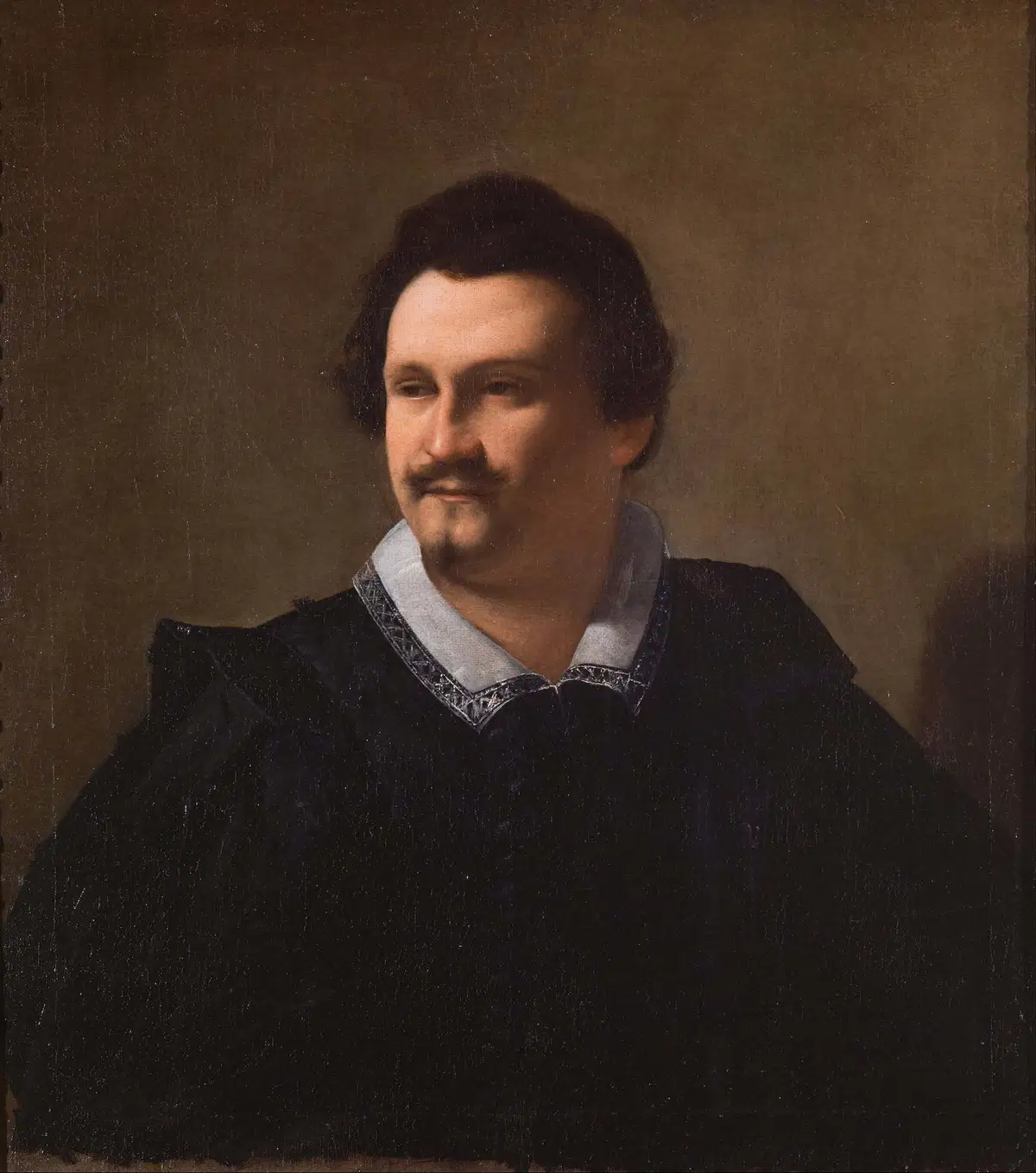
The other Caravaggio proposal announced over the same weekend is much less persuasive. Gianni Papi presented a Portrait of a Young Man at Montepulciano on 7 November; it had previously appeared at Dorotheum as sixteenth-century Tuscan school. His detailed argument awaits publication in the conference proceedings.
On the published photograph, I would leave that attribution firmly to one side. The portrait is alert and accomplished enough, but its neatly bounded features, smooth modelling and meticulously described lace collar offer little that compels the name of Caravaggio. The eyes engage us; the handling is less arresting. A dark background and an insistent gaze cannot carry the attribution. Papi may have evidence that changes the discussion, but the image currently available does not persuade.
The roses deserve a different response. Their appeal lies in the painting’s particular conjunction of human presence, fragile flowers and reflected light, rather than the excitement of adding another name to an expanding list of discoveries. There is enough here to make one want to see the canvas, study its surface and follow its history. After so many announcements that ask enthusiasm to do the work of judgement, that is a promising beginning.