Palma il Giovane’s Brescia commissions come back into focus
Four centuries after Palma il Giovane painted his great altarpiece for Brescia’s Duomo Nuovo, its restoration will provide the occasion for a more intimate encounter with the artist.
Opening on 4 December at Casa Museo Zani in nearby Cellatica, Palma il Giovane e Brescia. Omaggio a Palma brings together four canvases tracing his connections with the city’s churches and collectors.
Curated by Angelo Loda, the exhibition accompanies the launch of a Fondazione Zani-funded restoration of the Assumption with Saints Charles Borromeo and Francis and Bishop Marino Zorzi. The combination gives the anniversary a useful purpose: renewed attention to a major public commission, alongside a closer examination of the networks that brought Palma’s paintings to Brescia.
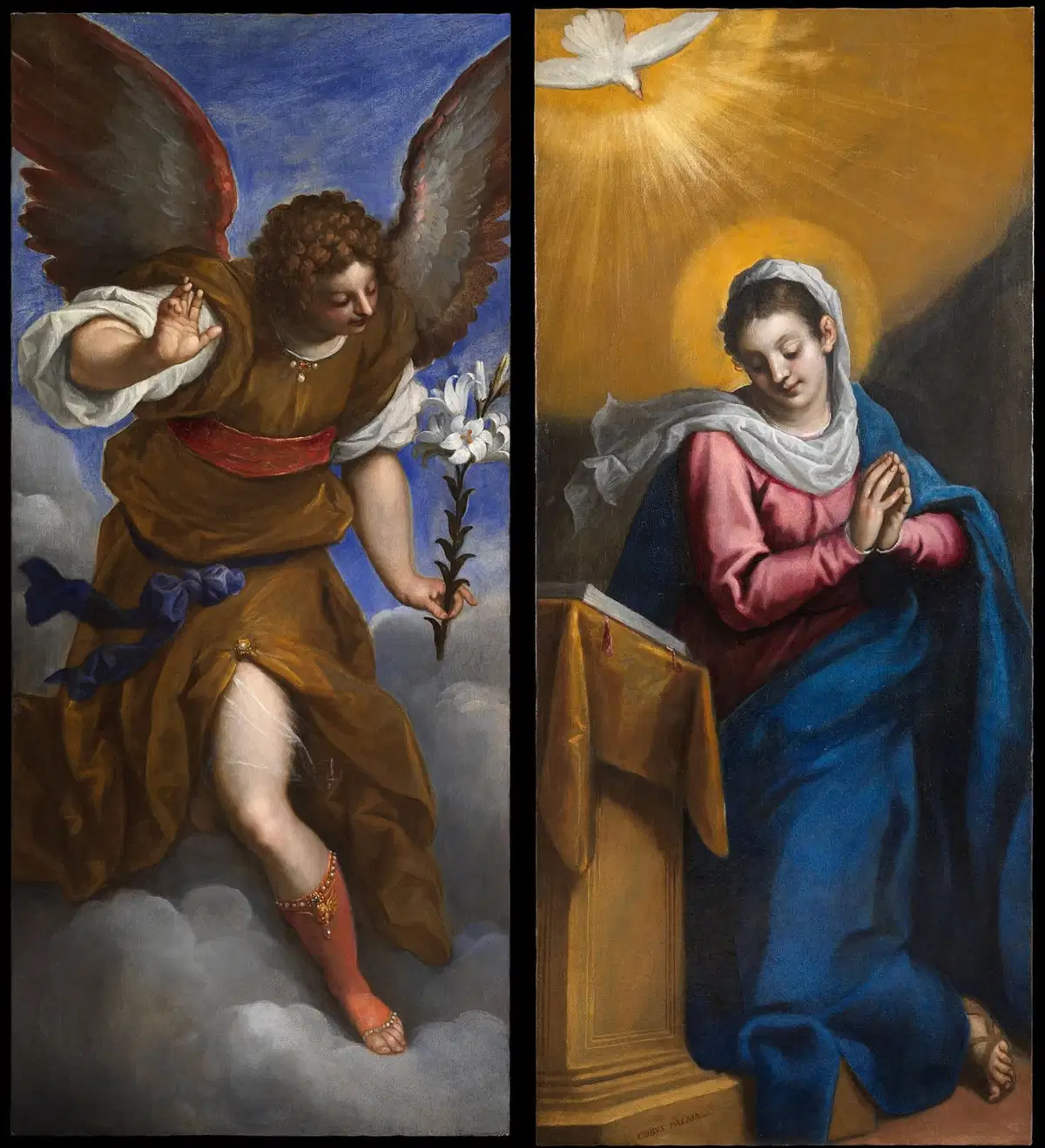
The selection begins with an Annunciation divided between two tall canvases, painted in 1601. Gabriel and the Virgin are now in the Museo dei Cappuccini in Milan, but originally belonged to the Capuchin church in Brescia. Their return places them within the local history from which they have become physically separated.
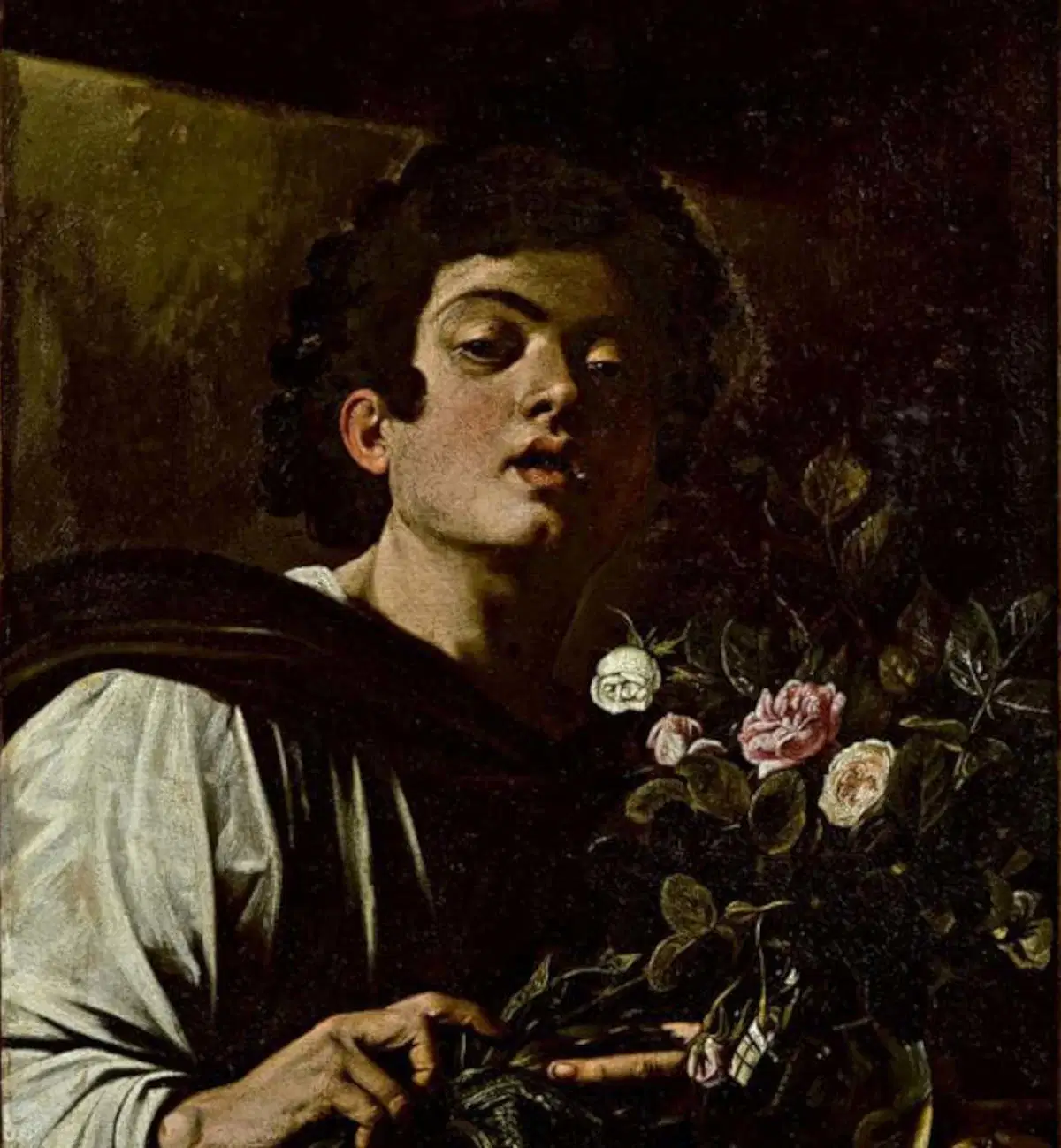
An Adoration of the Shepherds, dated to about 1610, introduces the world of private collecting. Recorded in the eighteenth century at the Brescian Casa Avogadro, it offers another route into Palma’s reputation: the paintings that entered domestic collections alongside the more conspicuous commissions for churches. Taken together, these works suggest how a painter’s influence could spread through a city at different scales, from the altar to the collector’s room.
Perhaps the most intriguing inclusion is the preparatory painting for an Allegory of the Battle of Lepanto. The finished composition was intended for the Rosary chapel of San Domenico in Brescia, a church demolished in the late nineteenth century. The recently recovered study, which has undergone restoration, preserves a connection with a decorative setting that can no longer be visited. Its interest lies partly in that distance between the surviving object and the vanished building for which the larger work was conceived.
There is something persuasive about approaching an artist through a handful of such connections. A small exhibition can make the movement of paintings unusually legible: a religious commission transferred to another city, a devotional picture recorded in a private house, a preparatory work surviving the destruction of its intended setting. Each carries a different fragment of the relationship between Palma and Brescia.
The cathedral altarpiece gives those dispersed histories a fixed point. Its treatment is only now being launched, so the discoveries that conservation may bring remain ahead. For the moment, the exhibition offers a timely reason to look again at the paintings themselves, and at the patrons who made this Venetian artist so substantial a presence in Brescian life.
Palma il Giovane e Brescia. Omaggio a Palma, Casa Museo Zani, Cellatica, 4 December 2026-28 February 2027.