Kauffmann and Vigée Le Brun: two routes to the top in Naples
Angelica Kauffmann and Élisabeth Vigée Le Brun knew the value of a carefully made image, including their own.
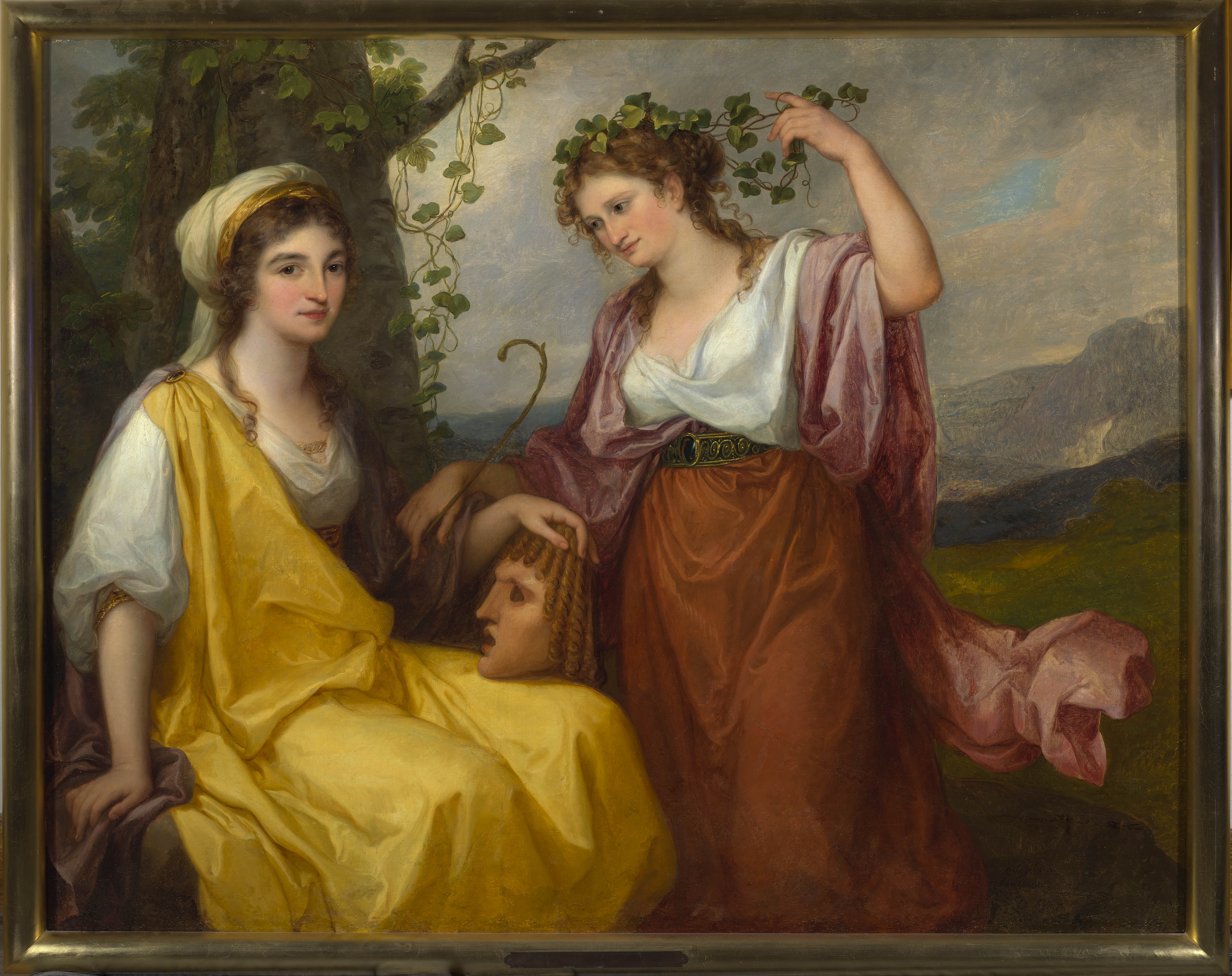
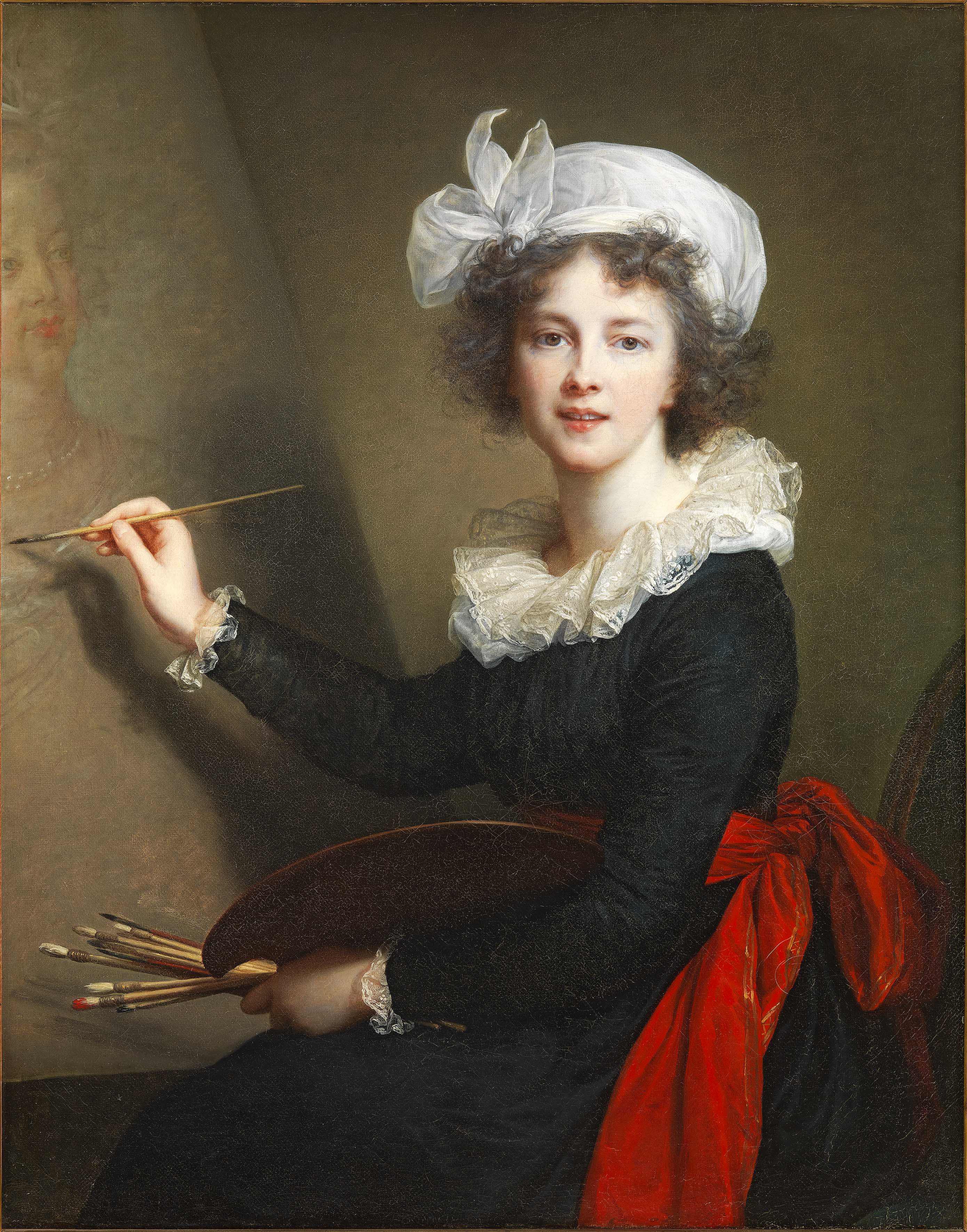
Their self-portraits, lent by the Uffizi to a new exhibition in Naples, introduce two painters who understood how to turn talent into professional authority. Kauffmann’s Self-Portrait as the Muse of Painting of 1787 makes its claim through allegory; Vigée Le Brun’s portrait of 1789 brings another celebrated artistic personality into the conversation. Both were painting for posterity as well as for their contemporaries.
Opening today at Gallerie d’Italia, Angelica e Élisabeth. L’età delle donne pittrici gathers 73 works around careers that crossed courts, academies and national borders. Curated by Francesco Leone, Fernando Mazzocca and Elisabetta Rasy, the exhibition places their connections with Italy at its centre. Naples provides a particularly telling meeting point: both worked for the Bourbon court, bringing different artistic ambitions to the business of representing power.
Kauffmann’s model for a portrait of Ferdinand IV and his family, lent by the Liechtenstein princely collections, can be considered alongside Vigée Le Brun’s portraits of the Bourbon princesses from Capodimonte. In the latter’s Maria Cristina of Bourbon of 1791, the princess is occupied with gathering roses. Such subjects invite a revealing question: how does a painter make royalty appear approachable while preserving everything that distinguishes it from the rest of society? Court portraiture required a finely judged balance between familiarity and distance.
For Vigée Le Brun, these commissions also belonged to the rebuilding of a career. Having left France at the outbreak of the Revolution, she found an important patron in Naples in Maria Carolina, Marie Antoinette’s sister. The connections that had made her famous could carry her into new circles, even as the political world behind that fame was collapsing.
Kauffmann’s ambitions ranged more widely across literary subjects, mythology and history painting. Loans from the Fralin Museum in Virginia include Circe Seducing Ulysses and Venus and Adonis, both painted in 1786. Yet the presence of Vigée Le Brun’s Peace Bringing Back Abundance of 1780, from the Louvre, complicates any neat division between a painter of narratives and a painter of faces. The opportunity lies in following where their interests overlap, as well as where they separate.
There is a temptation with exhibitions of women artists to let the account of obstacles overcome settle the question of what makes the paintings interesting. Here, the comparison promises something more exacting. Two successful contemporaries offer a chance to look at differing kinds of ambition, at the uses of elegance and learning, and at the judgement required to satisfy patrons without surrendering an artistic identity. Their shared achievement makes the differences worth attending to.
Angelica e Élisabeth. L’età delle donne pittrici, Gallerie d’Italia, Via Toledo 177, Naples, 6 November 2026-7 March 2027. Exhibition information