Caravaggio’s Paris roses and the five senses
The case for the Paris painting is very persuasive. Does it also give us a new way to read Caravaggio’s early work?
Updated
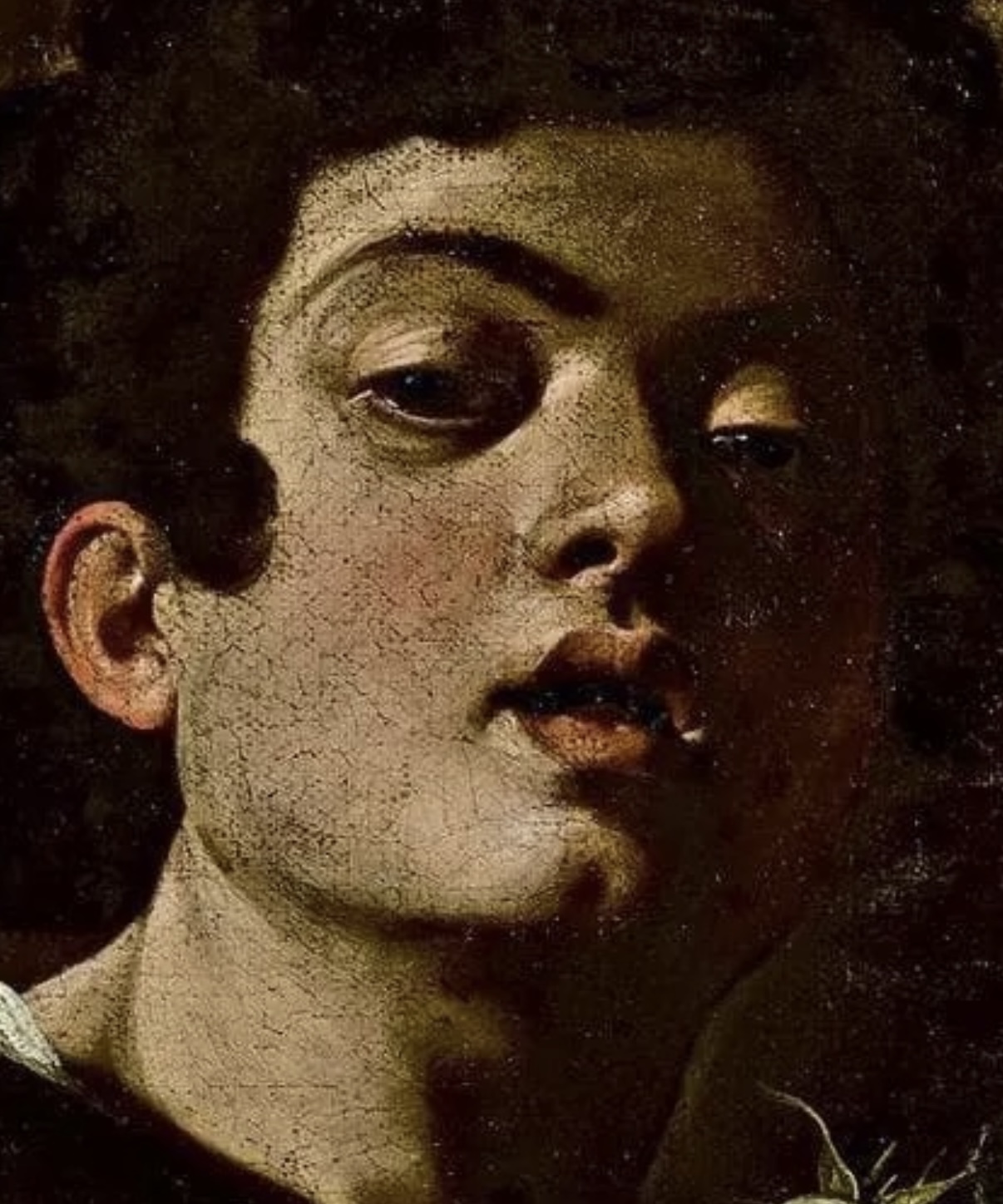
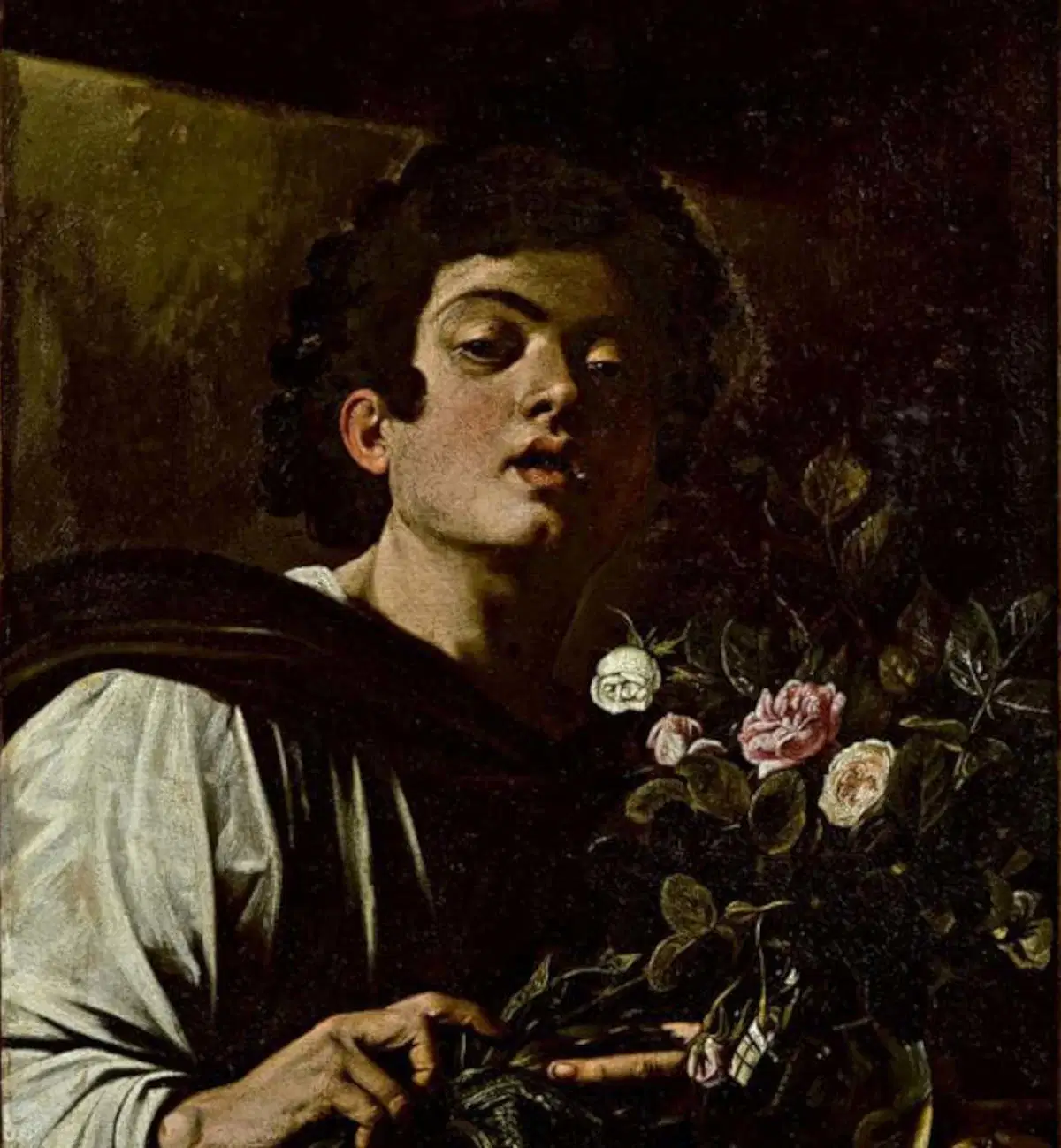
Maria Cristina Terzaghi’s attribution of the Paris Young Man with a Carafe of Roses to Caravaggio looks increasingly persuasive. In the published photographs, the way the eyes are painted and the dragged brush strokes within the shifting whites of the shirt do more to convince than the familiarity of a composition long known through copies. The treatment of the eyes echoes that very closely the early Borghese paintings. Without even the need to recall Giovanni Baglione’s description the flowers by Caravaggio.
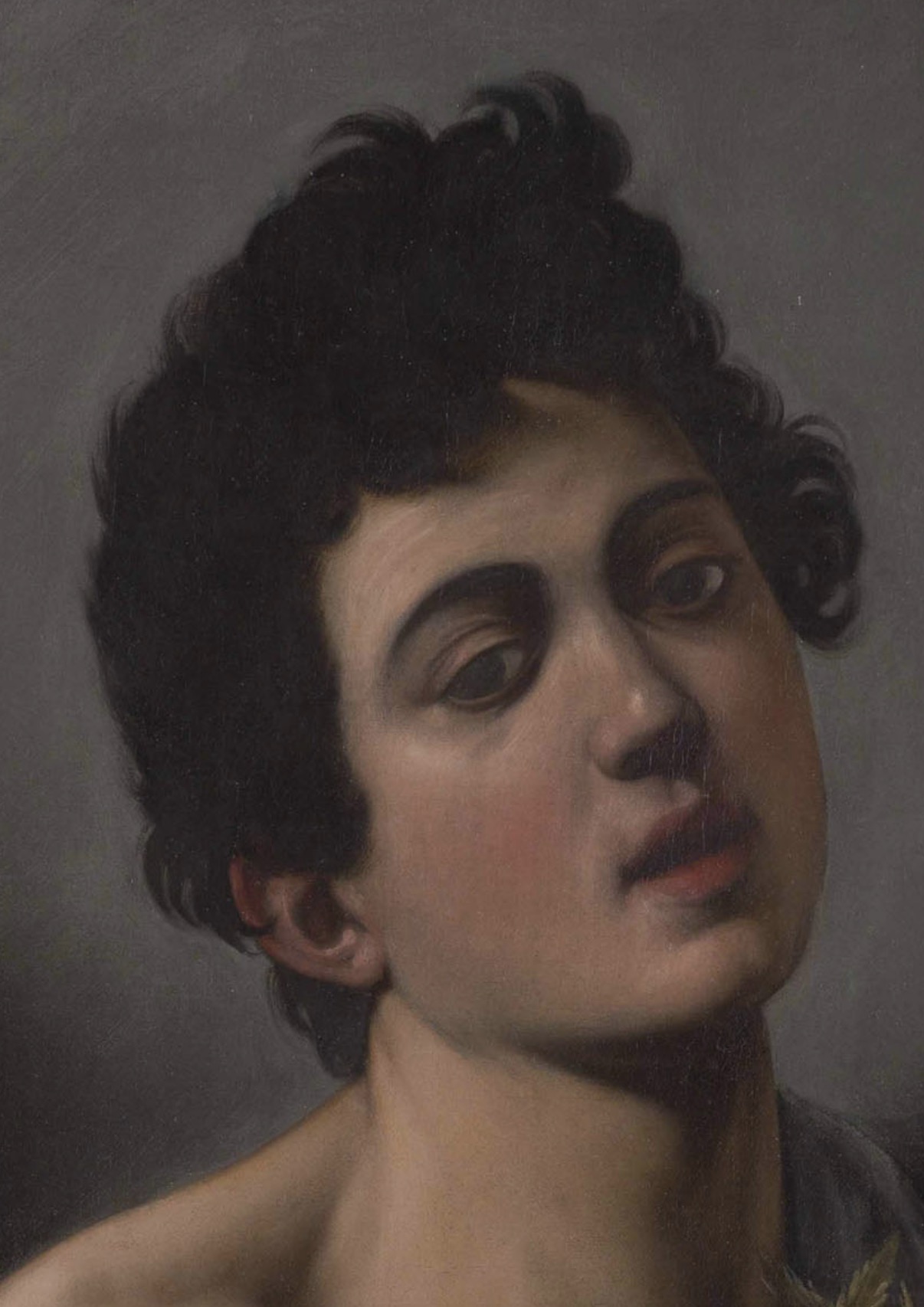
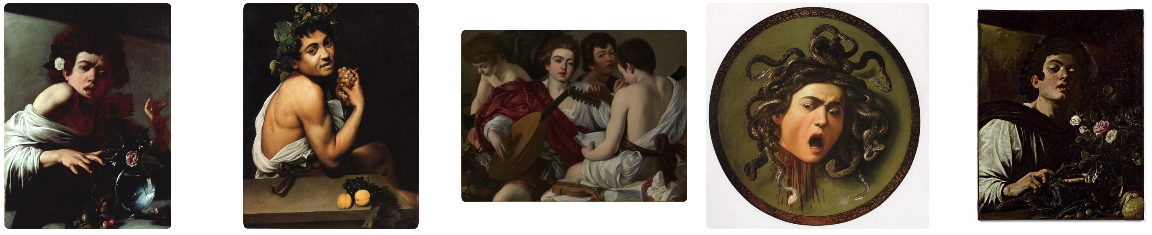
The strongest comparison is the National Gallery’s ‘Boy Bitten by a Lizard’. Both canvases are 66 cm high and both seem to have the grey ground of these earlier pictures. If the bite suggests Touch, the roses suggest Smell - the two pictures make a convincing pair to look at, even if we cannot say they were painted as one.
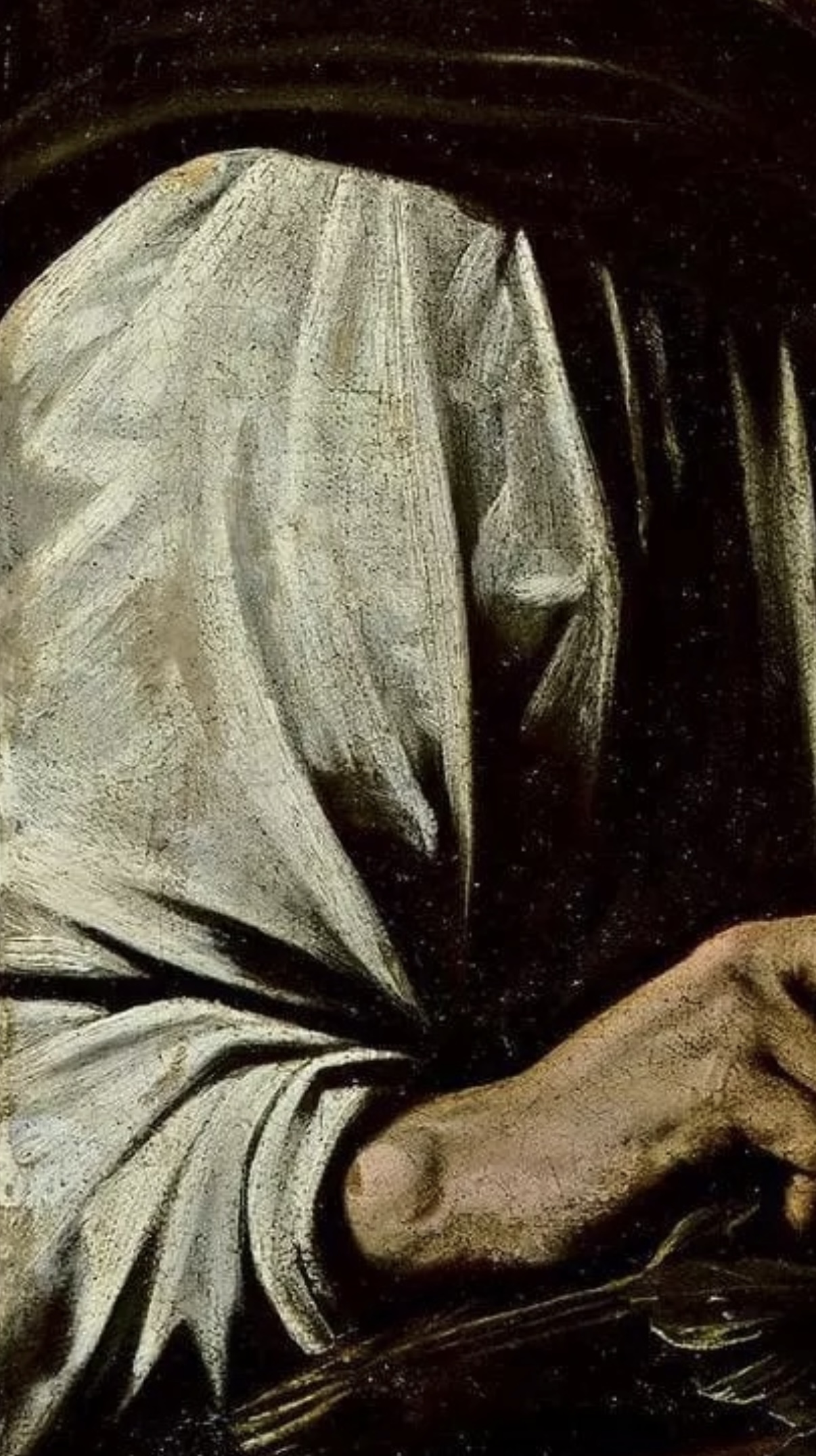
The Borghese ‘Boy with a Basket of Fruit’ is a plausible ‘Taste’, a reading the gallery’s catalogue already records. The fruit boy and the roses were, on Terzaghi’s reconstruction, in the same Borghese room by 1693. That is good evidence of how they were collected, less good evidence of what Caravaggio intended. There is also a rival candidate: the scholar Jane Costello preferred ‘Boy Peeling Fruit’ which is also the same height as the others 67cm high.
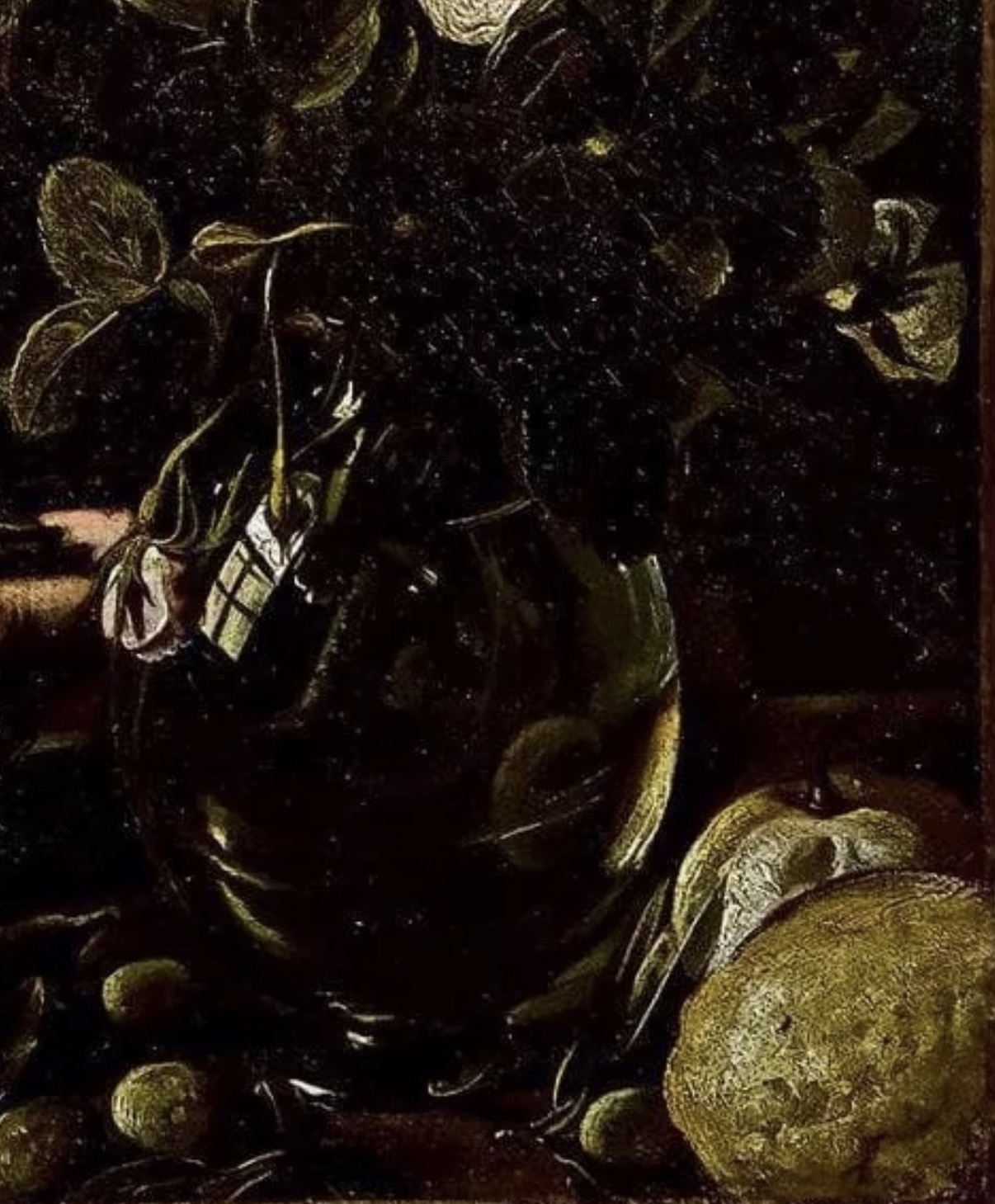
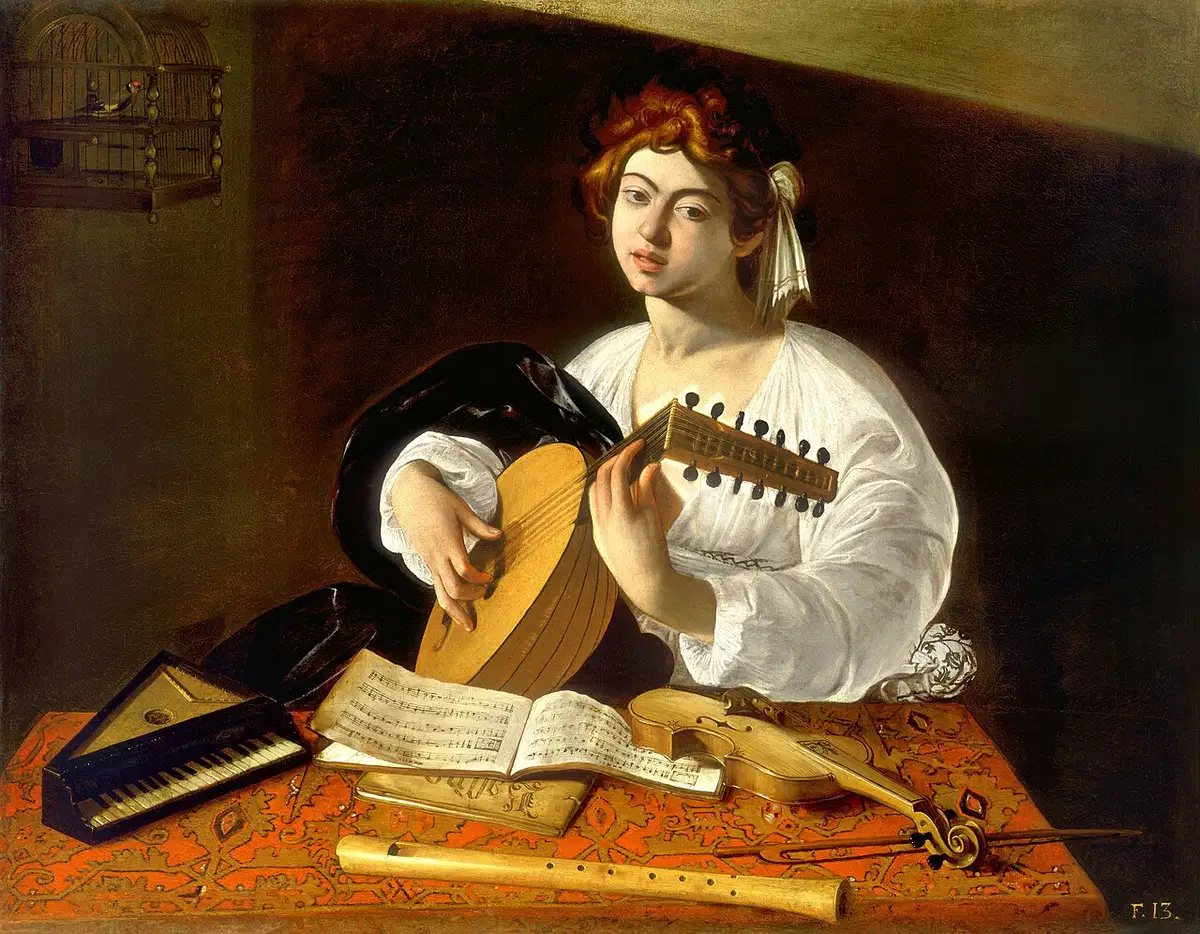
So does that mean the Hermitage Lute Player is a natural ‘Hearing’ (or the Del Monte Wildenstein work?), although its larger, horizontal format makes it an awkward companion. And if one insists on finding a Sight, perhaps choose the Kimbell’s Cardsharps, where the boy who looks hardest sees least - or even the Barberini’s Narcissus is the more obvious emblem. Or is it Medusa? Or are there yet more to be discovered?
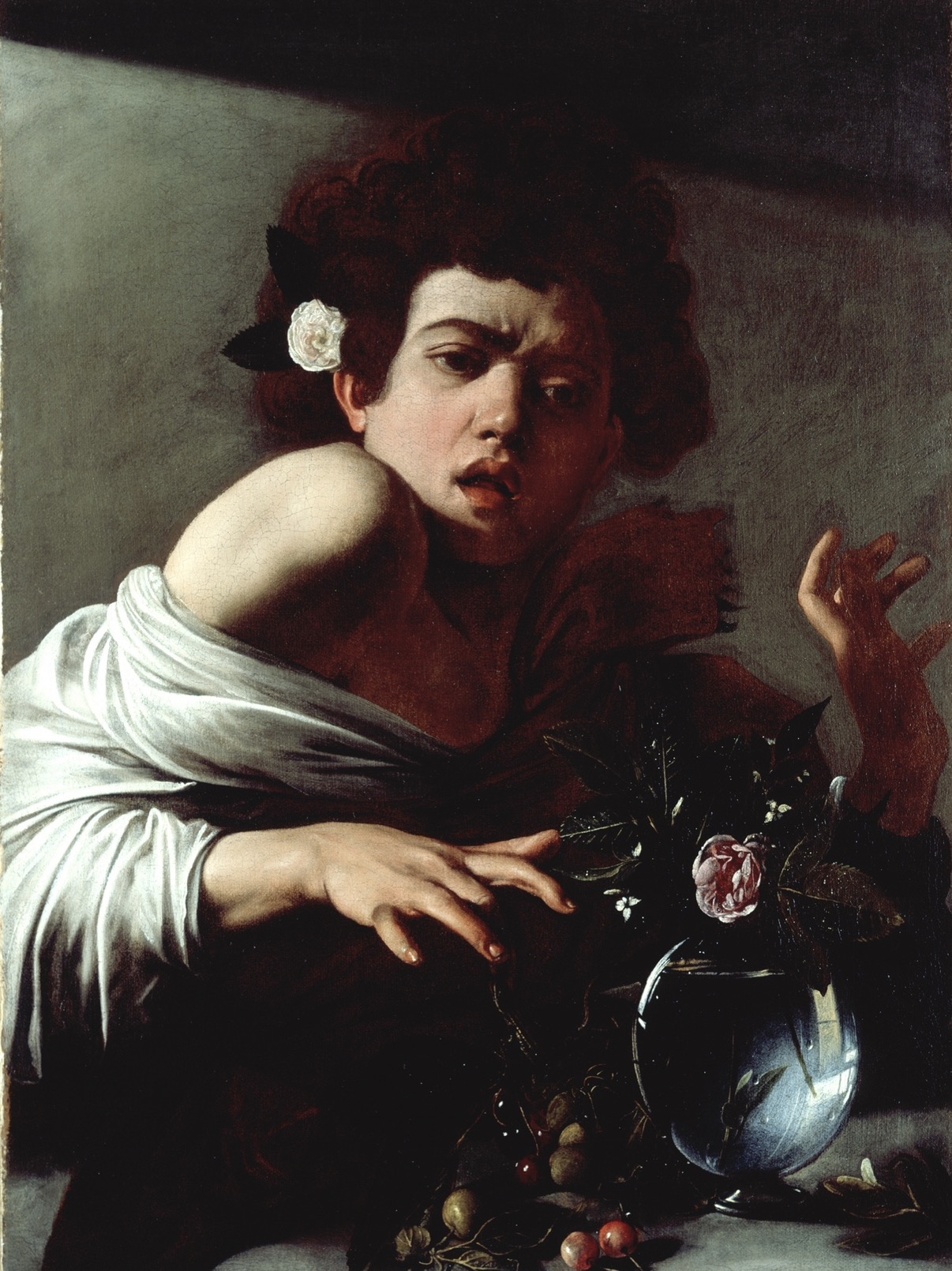
Anyway, all good fun - I can’t wait to see the Paris painting cleaned and perhaps reunited with Lizards and Fruit at Palazzo Borghese some time in the future.