Artemisia’s Annunciation takes centre stage in Milan
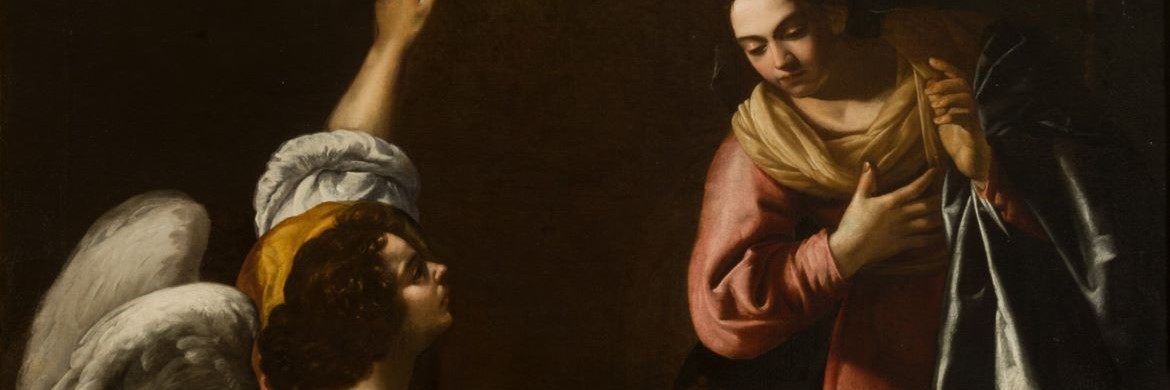
A single painting can sometimes offer a more revealing encounter with an artist than a crowded retrospective. Milan’s Museo Diocesano Carlo Maria Martini has given its annual Un Capolavoro per Milano presentation to Artemisia Gentileschi’s Annunciation, borrowed from Capodimonte in Naples. Opened on 27 October, the exhibition places a major religious commission at the centre of attention, allowing room to consider a painter whose public reputation is so often dominated by her Judiths. Curated by Mario Epifani and Nadia Righi, it runs until 31 January 2027.
Dated 1630, the canvas stands at the beginning of Artemisia’s Neapolitan career. She arrived in the city around 1629, after working in Rome, Florence and Venice, bringing an unusually wide experience of Italian painting to a new field of patrons and competitors. The museum identifies the Annunciation as her first known work made in Naples. Yet the circumstances of its commission remain elusive. Its original destination is unknown, although its dimensions and format suggest an altarpiece, perhaps for a private chapel. It entered the collections of the Real Museo Borbonico in 1815.
At 257 by 179 centimetres, this is a substantial statement of ambition. The composition gives Gabriel and the Virgin a monumental presence, their encounter unfolding through emphatic gesture, abundant drapery and light breaking into darkness. The Caravaggesque inheritance remains evident, but the sumptuousness of the colour and the expansive movement carry the painting towards a more theatrical Baroque language. In this respect, the canvas makes a particularly useful introduction to an artist still too readily confined to a handful of dramatic subjects.
Epifani has drawn attention to precisely this combination of naturalism and pictorial splendour. He also notes that Milan’s public collections possess no paintings by Artemisia, giving the loan a particular significance for the city. The Diocesano has previously borrowed Titian’s Annunciation and Masaccio’s Crucifixion from Capodimonte for the same series; Artemisia now receives the sustained attention that its format encourages.
There is fresh technical work behind the presentation, too. Fondazione Bracco has supported a programme of non-invasive examination undertaken with researchers and conservation specialists from Pavia, Milan and La Venaria Reale. The investigations concern the painting’s materials, execution and condition, with results being presented during the exhibition. A video introduces visitors to the diagnostic work, while a catalogue published by Dario Cimorelli Editore accompanies the loan.
Such scrutiny is especially welcome when an artist has become as familiar a name as Artemisia. Fame can create its own shorthand, encouraging audiences to approach each painting with the story already settled. The Milan exhibition offers the possibility of a slower encounter: with a large, ambitious canvas, an uncertain commission and a painter adapting her accumulated experience to a new city. There is enough here to keep the eye occupied long after recognition of the famous name.
Artemisia Gentileschi. Annunciazione is at the Museo Diocesano Carlo Maria Martini, Piazza Sant’Eustorgio 3, Milan, until 31 January 2027.