Artemisia returns to Florence, while Orazio slips from the spotlight
An exhibition devoted to Artemisia Gentileschi’s Florentine years offers an opportunity to consider the distance between artistic reputation, institutional priorities and the quality of the paintings.
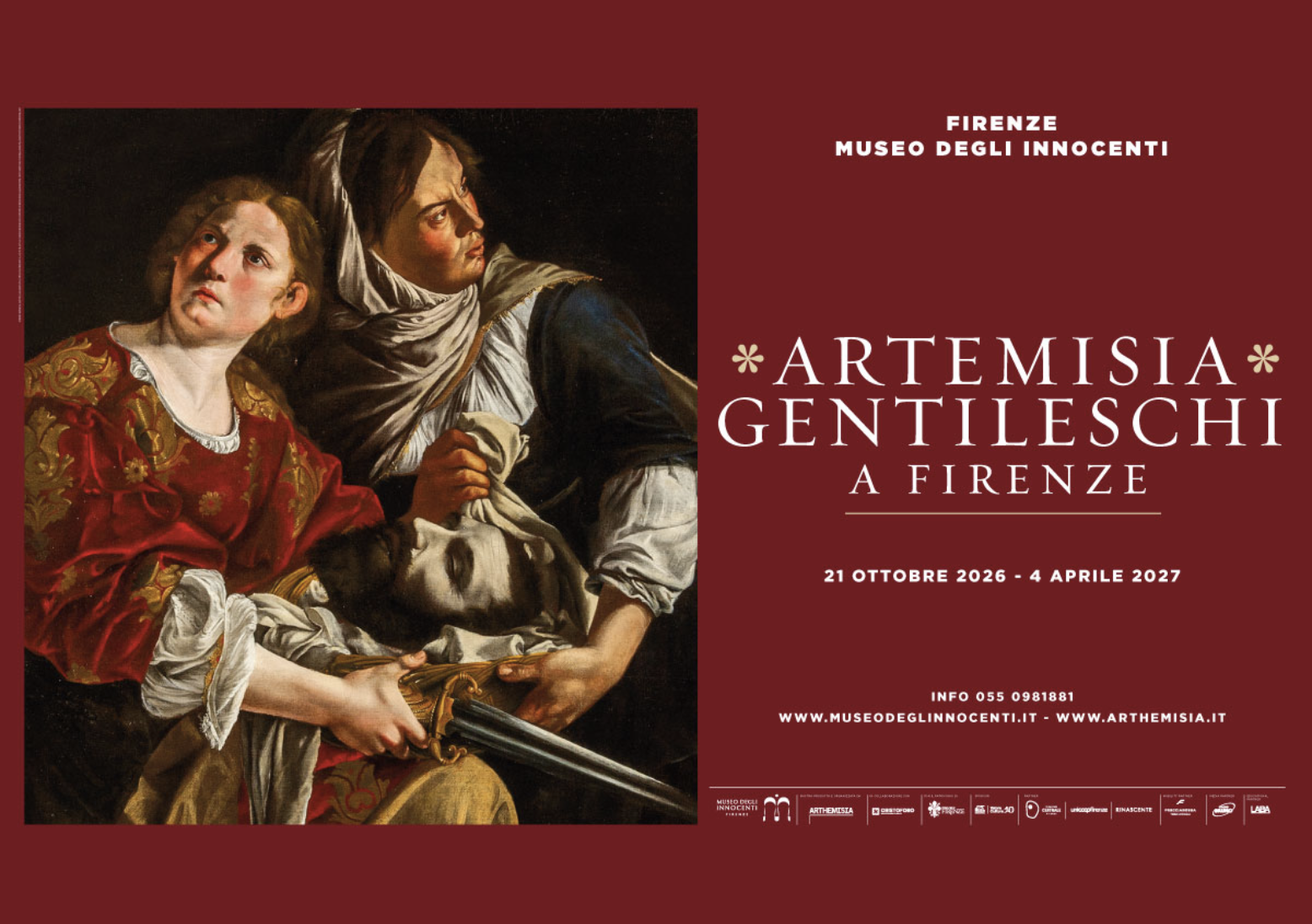
Florence’s Museo degli Innocenti will this October turn its attention to the years in which Artemisia Gentileschi established herself as an independent artistic force. Running until 4 April 2027, Artemisia Gentileschi a Firenze examines her emergence within the cultural world of Medici Florence, where she secured prestigious commissions and became the first woman admitted to the Accademia delle Arti del Disegno.
Curated by Cristina Acidini, Costantino D’Orazio and Sandro Bellesi, the exhibition places her alongside Florentine contemporaries including Cristofano Allori, Francesco Furini and Jacopo Vignali. Two paintings by Caravaggio are also announced. This broader setting should provide a useful opportunity to assess how Artemisia absorbed and adapted the different artistic languages available to her.
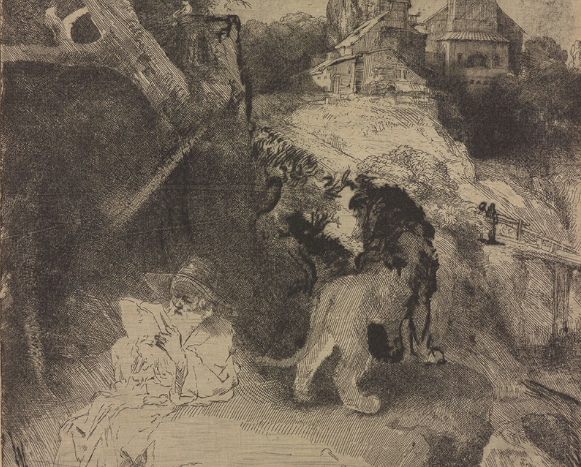
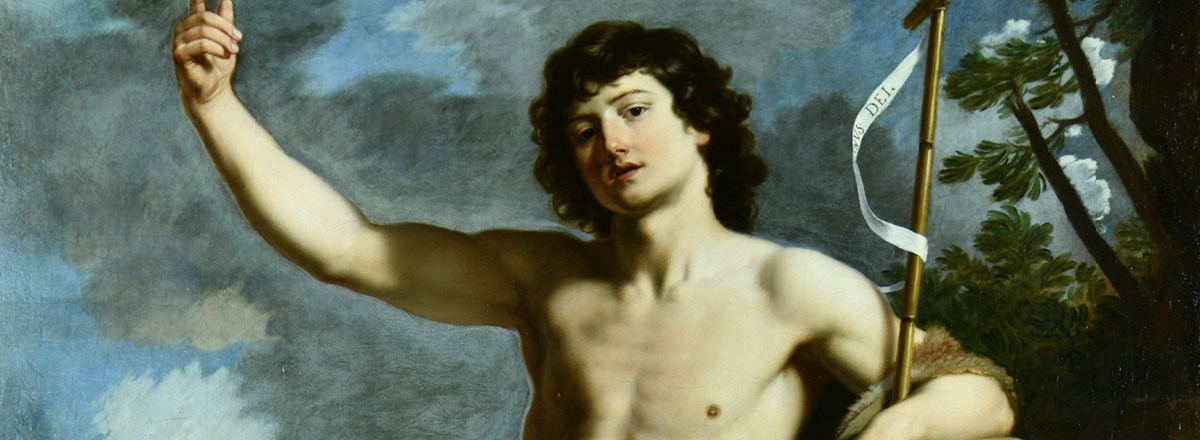
Among the loans is Bologna’s Susanna and the Elders, whose departure has prompted the Pinacoteca Nazionale to bring two long-stored paintings of Saint John the Baptist back into view.
The exhibition arrives at a moment when Artemisia’s name arguably carries greater public recognition than that of her father and teacher, Orazio. Yet current celebrity need not settle the question of artistic rank. Orazio is by far the greater painter - it would be wonderful for another monographic exhibition to be mounted on Orazio outside of Italy. The Met's 'Orazio and Artemisia Gentileschi: Father and Daughter Painters in Baroque Italy', held 14 February - 12 May 2002 was such wonderful exhibition. And this years 'Orazio Gentileschi. Un pittore in viaggio' at Musei Reali, Turin did not travel.
Artemisia’s dramatic force is considerable, but it is reasonable to question whether the present distribution of attention reflects an equally considered comparison of their achievements.
The desire to improve the representation of women artists is demonstrably part of her institutional appeal. When London’s National Gallery acquired her 'Self Portrait as Saint Catherine of Alexandria' for £3.6 million in 2018, its then chair, Hannah Rothschild, explicitly connected the purchase with the ambition to expand the collection’s holdings of important women artists. The Gallery also praised the painting’s quality and Artemisia’s storytelling. Both considerations were present in the acquisition’s public justification.
That collecting priority plausibly strengthens demand for a scarce body of work. It does not, however, establish that museums or private collectors buy Artemisia solely because she was a woman, or that her market has overtaken Orazio’s.
Indeed, the headline auction figures tell a different story. Artemisia’s 'Self-Portrait as Saint Catherine of Alexandria' achieved a record $5.687 million at Christie’s New York on 4 February 2026. Orazio’s 'Danaë' fetched $30.49 million at Sotheby’s in January 2016, when it was bought by the Getty. Both figures include buyer’s premium. Individual records cannot describe an entire market, but they make any claim of a straightforward commercial eclipse difficult to sustain.
Florence offers the chance to bring the discussion back to particular pictures. The most revealing comparisons will concern how Artemisia constructs a figure, organises a narrative and transforms her father’s example. Her historical importance deserves serious attention. So does the possibility that the less fashionable Gentileschi remains the greater painter.