An embarrassment of riches: Christie’s tightens its grip on the Modern British market
An extraordinary concentration of masterpieces by Hepworth, Nicholson, Lanyon, Bomberg and Auerbach makes Christie’s forthcoming October auctions a feast for collectors. Sotheby’s comparatively modest offering raises a wider question: has Christie’s dominance of the Modern British market become self-perpetuating?
Collectors of Modern British art are facing something of an embarrassment of riches at Christie’s this October. Between the dispersal of the Peter Simon Collection on 14 and 15 October and the dedicated Modern British and Irish Art auctions on 21 and 22 October, an exceptional succession of paintings and sculptures is coming to the market. What makes the offering particularly exciting is not simply the number of important names represented, but the extraordinary quality of some of the individual works.
The first instalment comes with Monsoon: The Peter Simon Collection, the dispersal of nearly 200 works assembled by the founder of the fashion retailer. Although the collection extends far beyond British art, Simon’s enthusiasm for the British modernists has produced a remarkable group of pictures and sculptures including works by Francis Bacon, Bridget Riley and Barbara Hepworth.
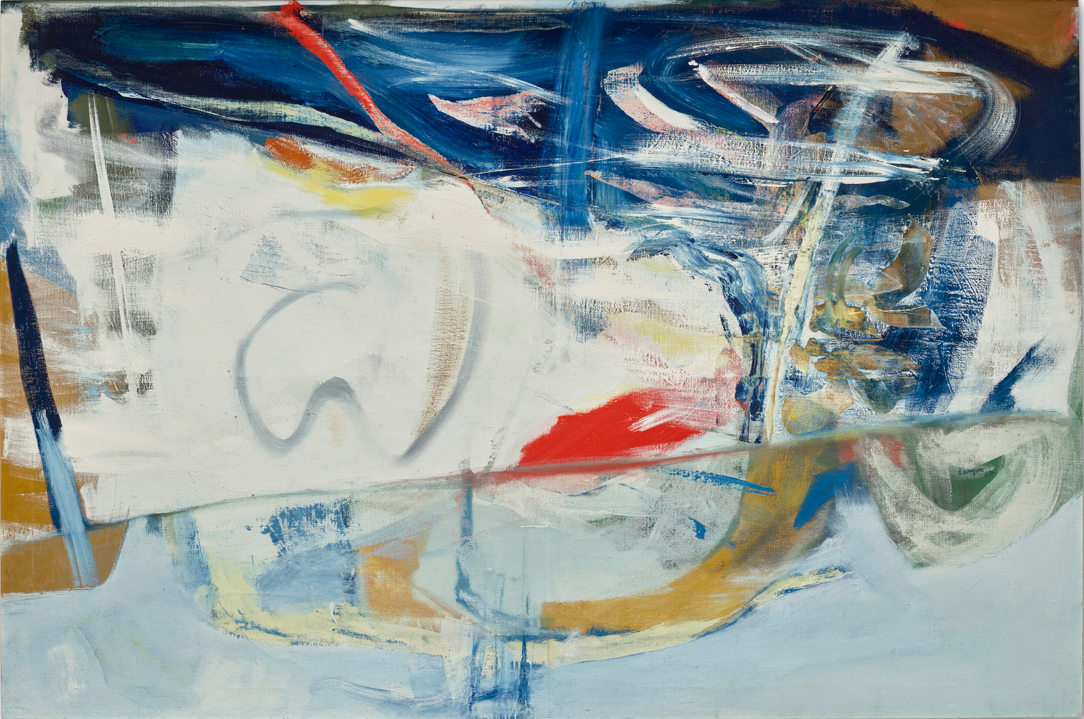
Among the outstanding works is Peter Lanyon’s Cloud Base (1962), a magnificent six-foot canvas from the artist’s great gliding period, estimated at £450,000-650,000. Painted only two years before his untimely death, it possesses the restless movement, spatial complexity and extraordinary sense of air and light that make Lanyon’s mature paintings so compelling. Acquired by Simon at Sotheby’s in 1998, following its appearance in the Hiscox Collection sale, it is a picture of a calibre that seldom appears on the market and hangs in the saleroom next to - holding its own, if not outshining - a late Willem De Kooning.
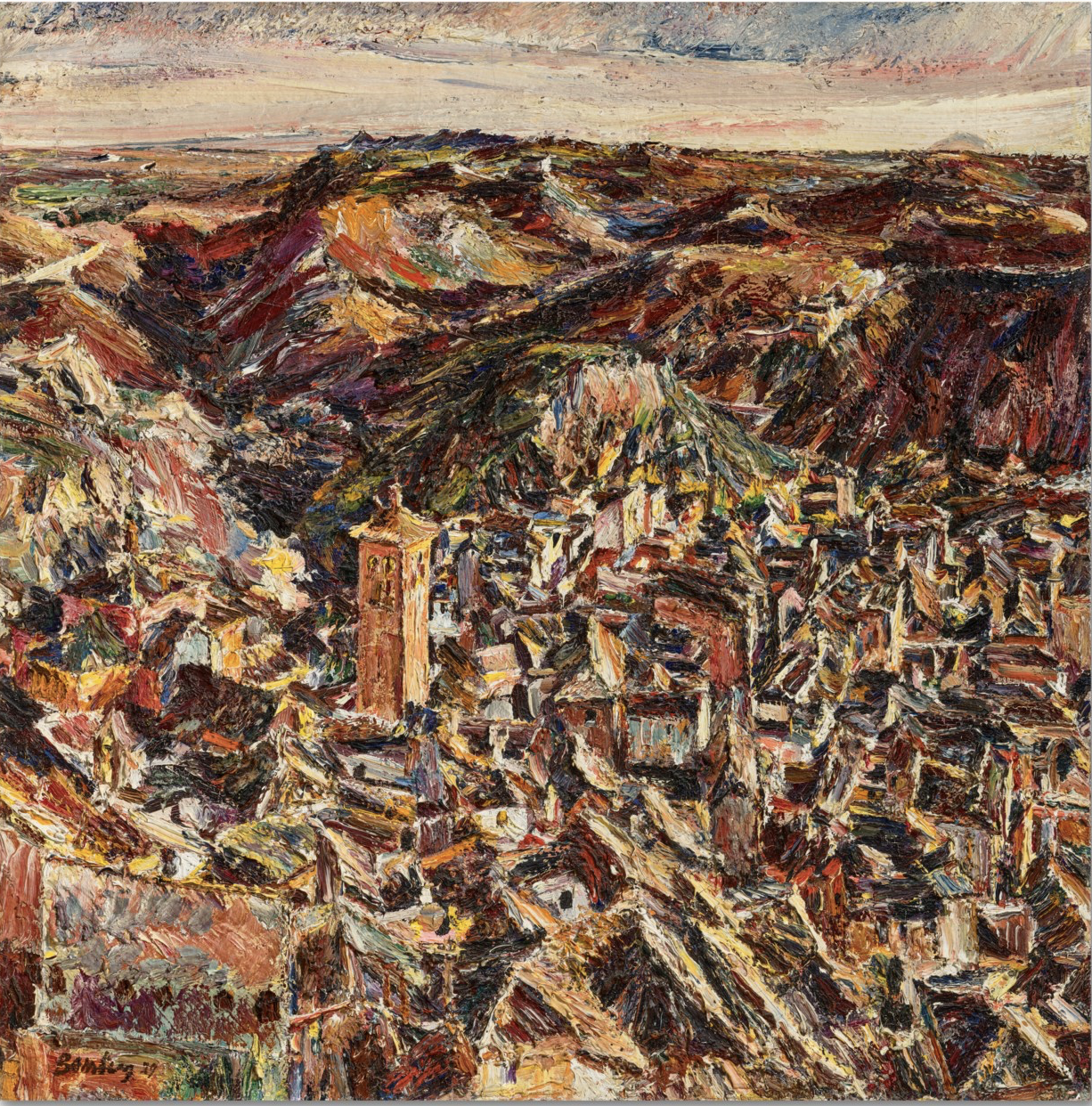
Equally impressive is David Bomberg’s San Miguel, Toledo, Afternoon (1929), estimated at £800,000-1.2 million. It is a wonderfully powerful picture, its dense structure and vigorous handling anticipating the painterly language that Bomberg would pass on to Frank Auerbach and Leon Kossoff. Previously exhibited in Bomberg’s 1988 Tate retrospective and also acquired from the Hiscox sale in 1998, it is difficult to imagine a much more desirable example of this phase of his career.
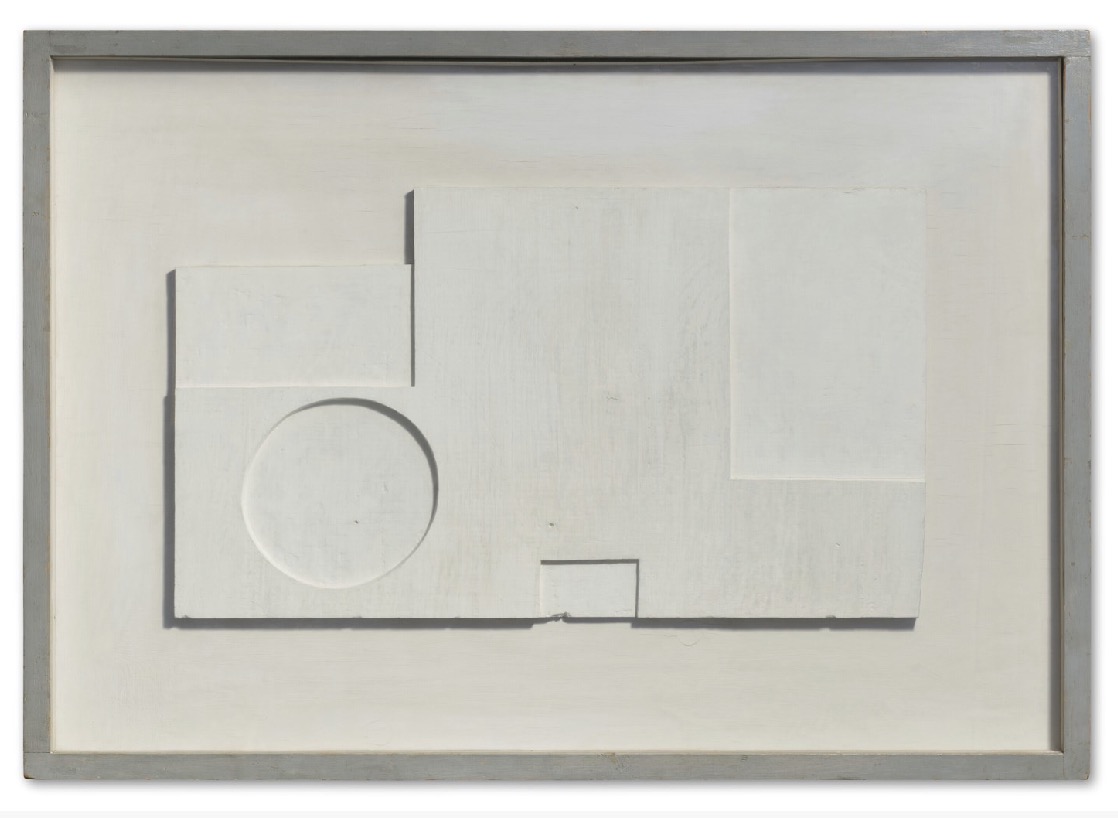
Then there is Ben Nicholson’s rare 1934 (relief), estimated at £1-2 million, an important early example of the carved reliefs that helped establish Nicholson’s international reputation as an abstract artist, alongside (his once wife) Barbara Hepworth’s beautifully restrained Torso of 1929, a unique carving in pyinkardo wood. The latter is particularly appealing for its simplicity of form and its place in the development of Hepworth’s early direct carving.
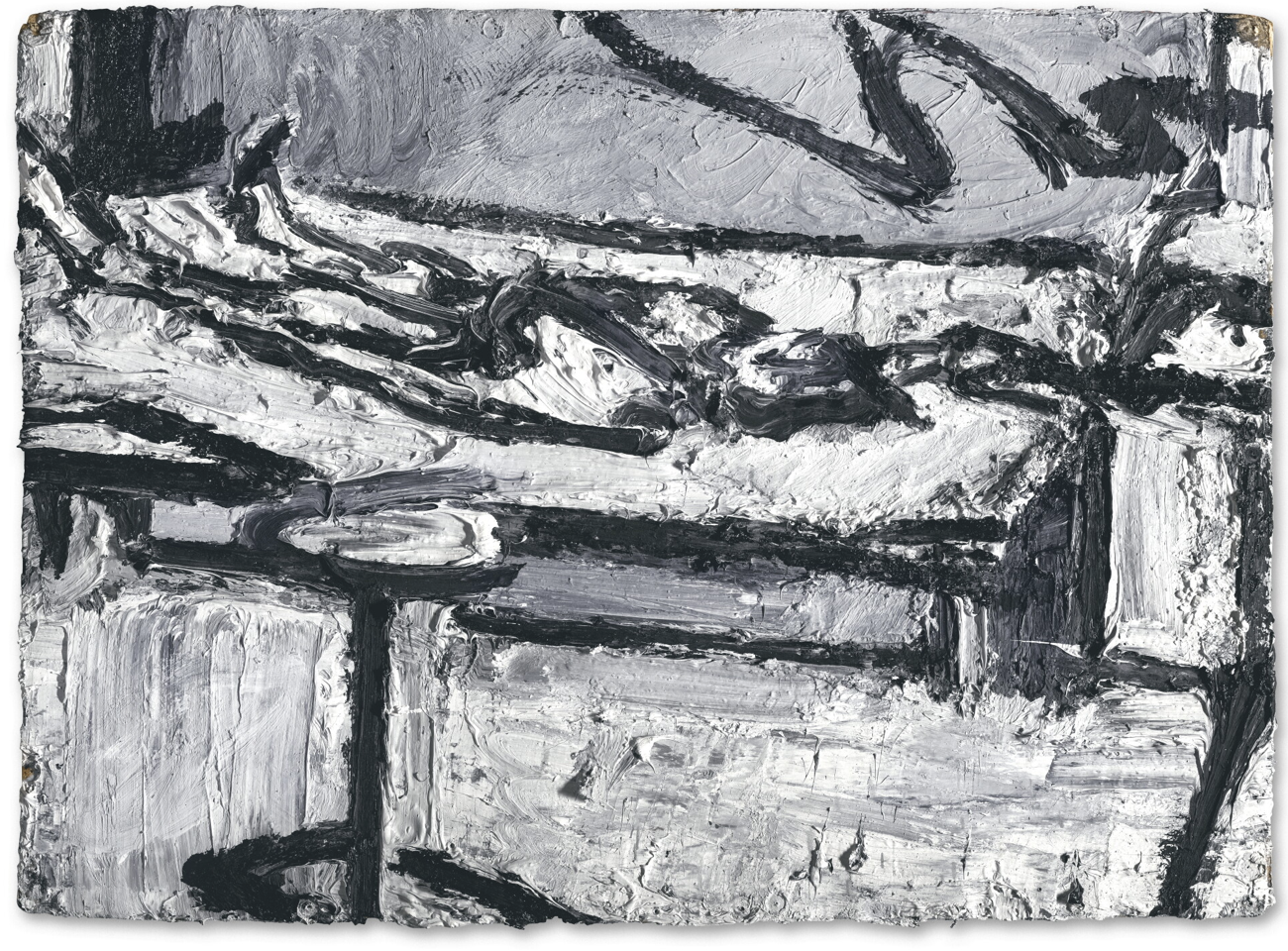
Frank Auerbach’s magnificent charcoal Head of Helen Gillespie (1961), estimated at £800,000-1.2 million, and his exuberant Study of Primrose Hill (1973-74), estimated at £2-3 million, add further weight. Two major Bridget Riley paintings, Byzantium (1969) and Streak 2 (1979), provide yet another demonstration of the collection’s depth.
Any one of these would be a significant highlight in an ordinary Modern British auction. To find them together in a single collection is exceptional.
Yet Christie’s has another major offering waiting in the wings.
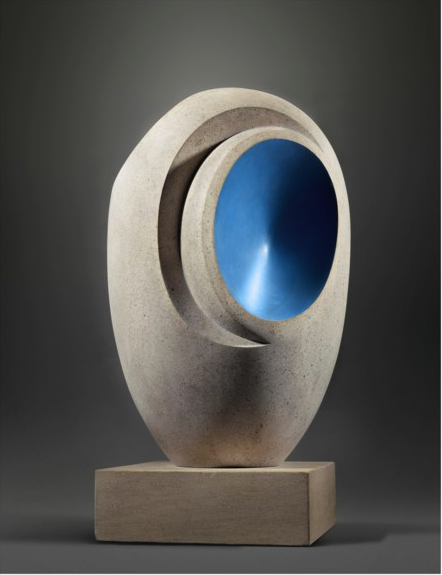
Its Modern British and Irish Art Evening Sale on 21 October is headed by further outstanding works by Barbara Hepworth, including the remarkable Sculpture with Colour (Eos) of 1946. Recently exhibited in the Courtauld Gallery’s Hepworth in Colour exhibition, this extraordinary Hopton Wood stone carving last appeared at Christie’s in New York in 2016, when it realised $5.43 million. Its return so soon after a major museum exhibition makes it one of the most important works in the October sales with a huge estimate of £5-8 million.
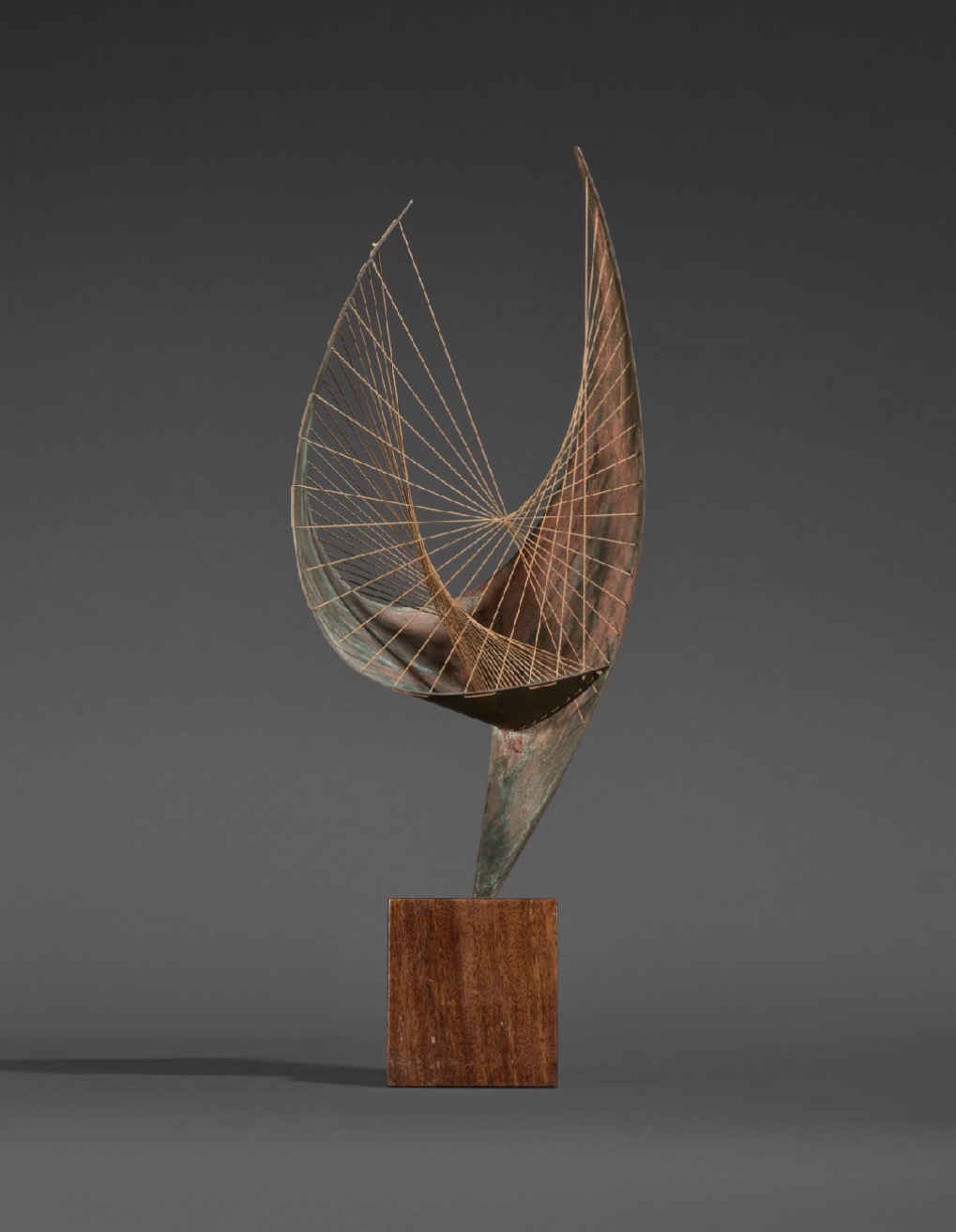
Another Hepworth, Orpheus (Maquette I), conceived in 1956, provides a fascinating comparison with an example from the edition sold at Bonhams in June 2025 for £952,900. The result underlined the considerable appetite for Hepworth’s experimental brass and string constructions of the 1950s, and the Christie’s example will provide a further test of this increasingly sought-after area of her work.
The wider Christie’s evening catalogue offers further breadth, with works by Ben Nicholson, Henry Moore, Frank Auerbach, Patrick Caulfield and Frank Bowling, alongside ‘fresh to the market’ paintings by Augustus John, Sickert and Sir William Nicholson. As always editioned sculptures by Lynn Chadwick, Elizabeth Frink and Barry Flanagan pad out the catalogue and unique Eduardo Paolozzi complete an unusually varied selection.
Taken together, the two weeks provide a remarkable cross-section of twentieth-century British art, from the early experiments in abstraction to the extraordinarily fertile post-war decades.
The contrast with Sotheby’s is difficult to ignore.
Its Modern British and Irish Art Evening Auction on 14 October contains around 34 lots. There are unquestionably some good works, notably Harold Gilman’s splendid Mary L. (1913-14), Barbara Hepworth’s alabaster Small Form (Amulet) (1960), and Frank Auerbach’s Head of Julia (1980). Furthermore, unusually, a late addition to the auction of another Barbara Hepworth from 1972 (again guaranteed) will bolster their offering. Further works by Frank Auerbach, Leon Kossoff, L.S. Lowry, Edward Burra and Jack B. Yeats ensure that the sale is far from without interest.
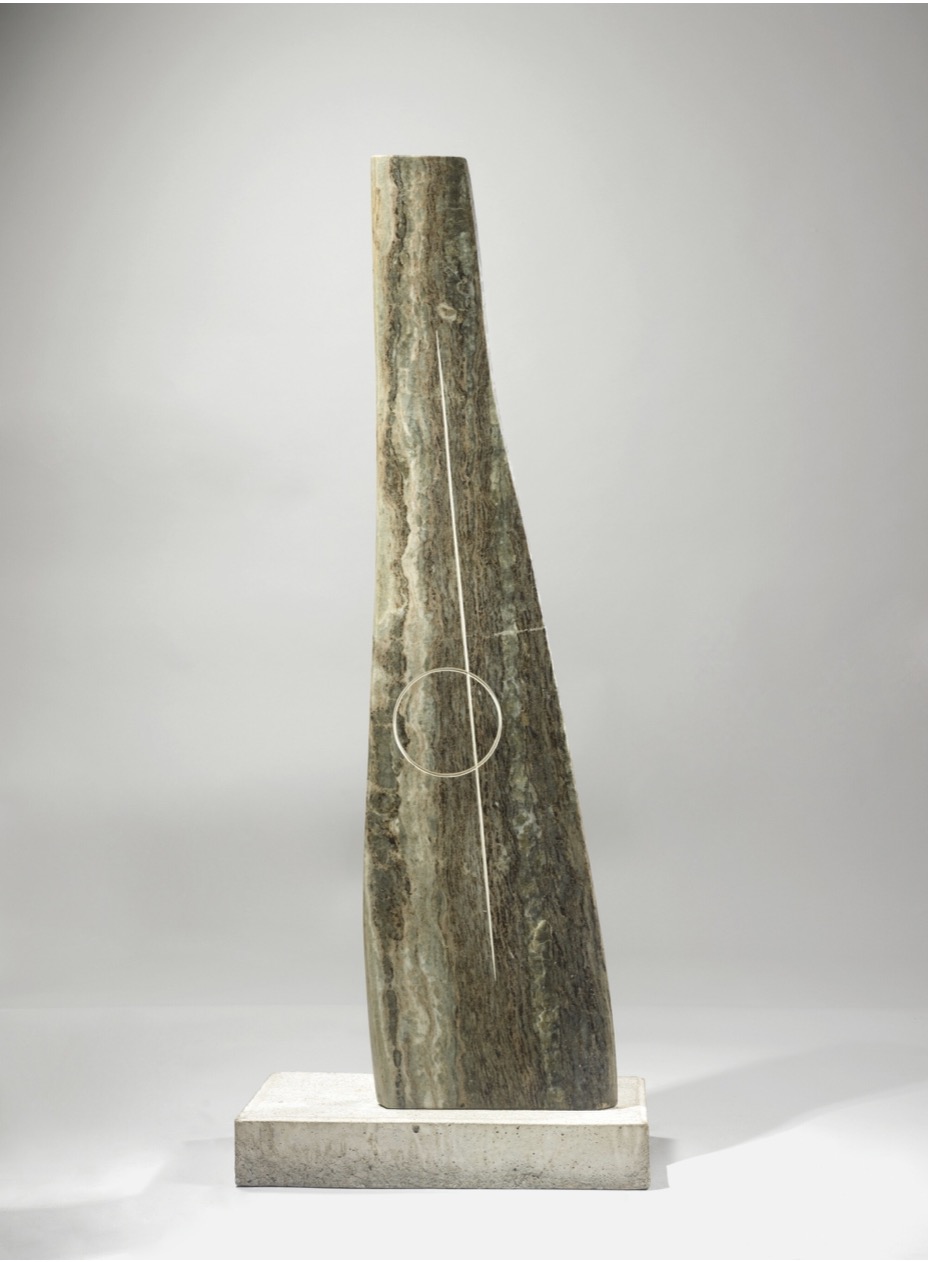
Across the forthcoming Christie’s and Sotheby’s sales, no fewer than 14 works by Barbara Hepworth are coming to auction over the next fortnight. Several are of outstanding quality and represent genuinely rare opportunities to acquire major examples of her work, particularly the unique carvings. Although Hepworth seldom produced anything that could reasonably be described as a ‘dud’, the concentration of important sculptures appearing on the market simultaneously is quite extraordinary, and offers collectors an unusually rich choice across several decades of her career.
Nevertheless even with the additional late Hepworth, viewed alongside the riches at King Street, the Sotheby’s catalogue feels comparatively thin. The distinction is not merely one of quantity. Christie’s has assembled works representing particularly important moments in the development of their respective artists, objects whose rarity, historical significance and sheer quality should command serious attention.
A dominance that has become self-perpetuating?
The extraordinary disparity between the two auction houses this October is not a recent phenomenon. Christie’s has been the dominant force in Modern British art for much of the past two decades, claiming market leadership in the category since 2008. Its success appears to have become increasingly self-perpetuating.
The figures are striking. Christie’s October 2024 Modern British evening auction realised £14.37 million against just £3.61 million at Sotheby’s the following month. The pattern was repeated in 2025, when Christie’s achieved £17.3 million against Sotheby’s £4.7 million. In both autumn seasons, Christie’s evening-sale total was almost four times that of its rival.
The figures are not, of course, a complete measurement of market share. Both auction houses sell Modern British works through other departments, single-owner collections and private sales, while Sotheby’s has enjoyed important successes of its own. Nevertheless, the disparity in the principal autumn evening auctions is remarkable.
More revealing still are the sell-through rates. Sotheby’s managed to sell only 13 of the original 25 lots in its November 2024 evening sale and 12 of 24 in November 2025. Christie’s, meanwhile, achieved an approximately 79% sell-through against its original October 2025 catalogue. The figures suggest that Christie’s advantage extends beyond simply securing higher-value consignments.
What accounts for this sustained dominance? Have Christie’s specialists been particularly aggressive in offering guarantees and financial inducements to vendors, or has the firm reached the enviable position where owners of the finest works naturally gravitate towards King Street?
The available evidence suggests that guarantees alone cannot explain the disparity.
According to HENI’s analysis, only one work in Christie’s October 2025 Modern British evening sale was identified as carrying a guarantee, Bridget Riley’s Dendera, despite the auction achieving £17.3 million. Sotheby’s November sale included a guaranteed portrait by Glyn Philpot, but still struggled to find buyers for half its catalogue.
Financial arrangements between auction houses and their vendors are, of course, largely confidential. Reduced commissions, guarantees, enhanced proceeds and other incentives may all play a part in securing significant consignments. It would be naive to imagine that Christie’s has established its position without competing vigorously for important works.
But perhaps more significant is the accumulation of experience, relationships and confidence that comes with sustained market leadership.
A collector considering selling an exceptional Hepworth, Nicholson or Lanyon may reasonably conclude that Christie’s is where the most serious buyers are likely to be found. Dealers and advisers may reach a similar conclusion, reinforcing that advantage. Exceptional consignments attract exceptional bidders, and successful auctions encourage further consignments.
There is also the question of personnel. Sotheby’s recruitment in 2023 of Christie’s former head of Modern British Art was a significant appointment, acknowledging the importance of specialist knowledge and established client relationships in this relatively concentrated market. It has not, however, yet translated into a sustained reversal of the disparity in the headline autumn results.
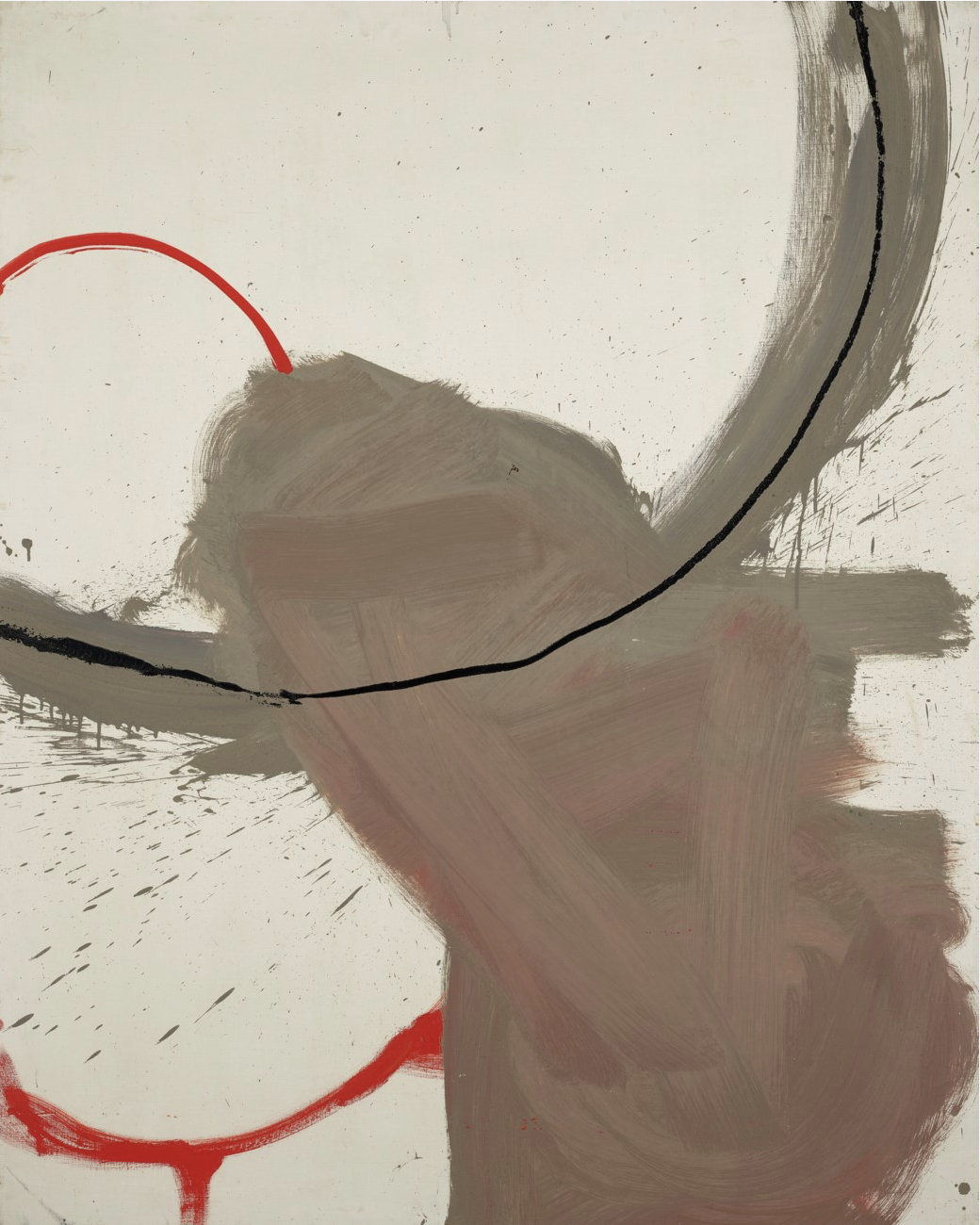
The Peter Simon Collection offers a further illustration of Christie’s ability to secure major private collections and present their British modernists within a broader international context. Such collections are particularly valuable to auction houses, bringing not only individual masterpieces but also their own history, reputation and established audiences.
There is another interesting dimension to Christie’s success. While Modern British art has traditionally been regarded as a principally domestic market, the auction house has been notably effective in attracting international consignments and bidders. Its October 2025 evening sale included a substantial group of works from American collections, demonstrating that the supply of important British pictures increasingly extends far beyond the United Kingdom.
In this sense, Christie’s advantage may be less a matter of buying consignments through aggressive guarantees than of having built a position in which the best consignments increasingly come its way.
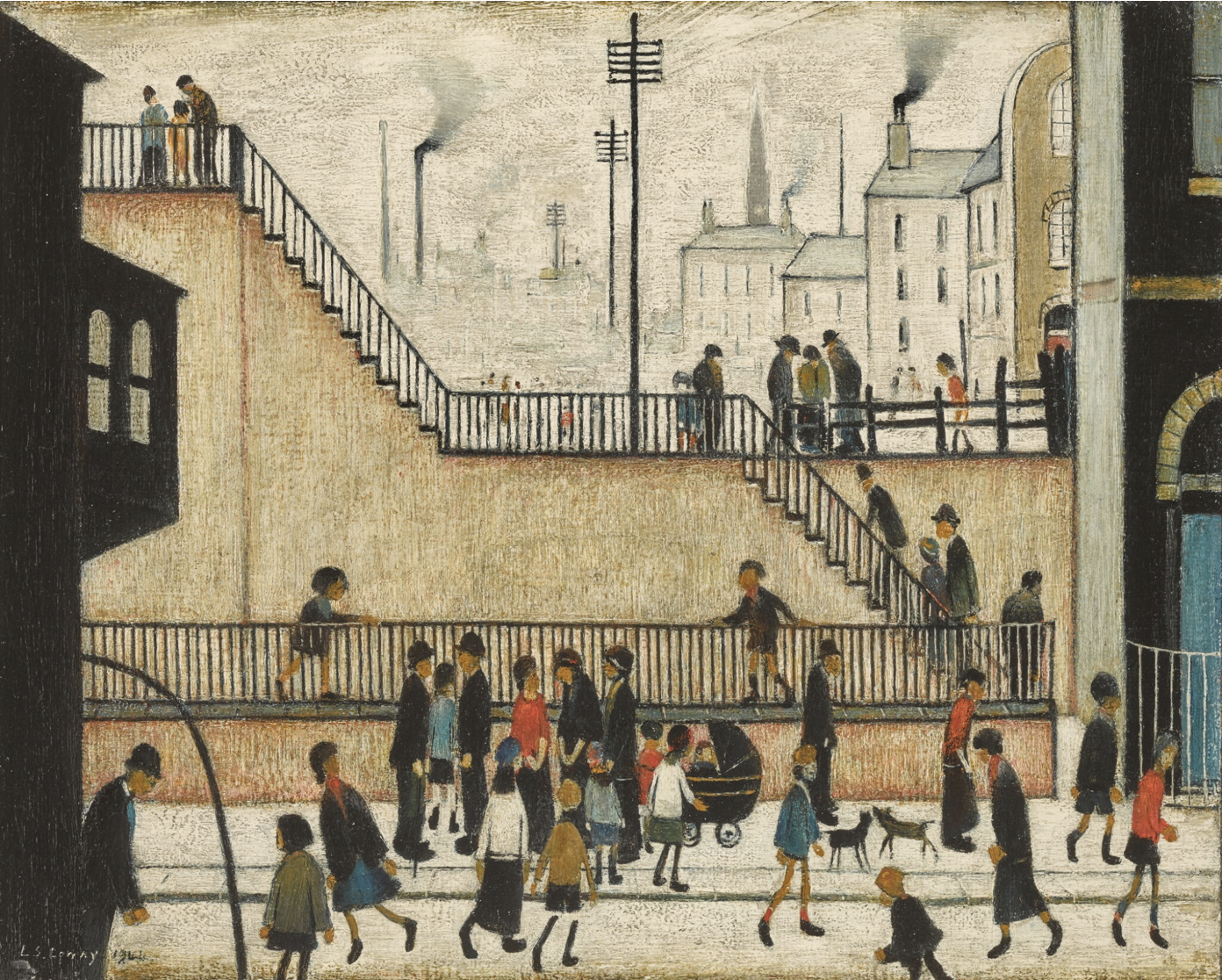
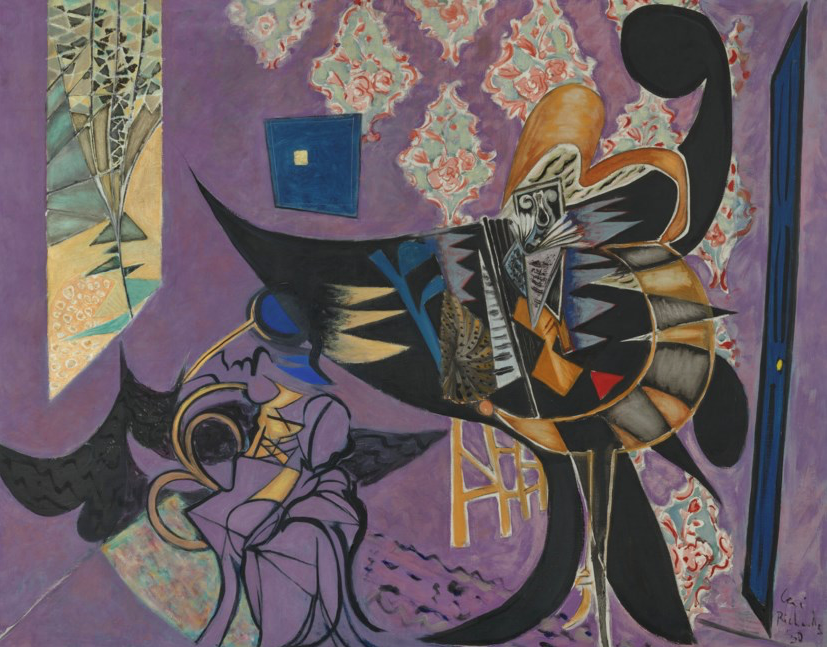
The danger for Sotheby’s is obvious. In a market where exceptional works are scarce, the auction house that consistently attracts the best material becomes ever harder to challenge. Ironically, a wonderful Ceri Richards from perhaps Sotheby's greatest triumph - The Evil Frost sale, a series of sales from a single owner collection that redefined the Modern British Market in 2011 - reappears in Christie's Day sale at £50-80k having languished on the market with a dealer ever since it was purchased for £139k.
A market about to be tested
There remains, however, as always the important question of whether the market can absorb so much exceptional material in such a short period.
The Peter Simon Collection alone contains a formidable concentration of high-value works, and its British modernists will be competing for attention not only with each other but with major international pictures by Bacon, Mondrian, de Kooning and others. A week later, Christie’s will be asking collectors to return for another substantial selection of Modern British art.
For those who have waited years to acquire an important work by Lanyon, Bomberg or Hepworth, the opportunity is extraordinary. For the auction house, the challenge will be to ensure that the abundance of material does not dilute competitive bidding. The Peter Simon Collection is guaranteed and no doubt specialists will be working hard to off-load that liability to third-party guarantees.
The results should provide a revealing indication of the underlying strength of the Modern British market. There are undoubtedly collectors prepared to pay substantial premiums for masterpieces, but it remains to be seen whether that enthusiasm extends consistently across such a broad range of artists and periods.
Whatever the eventual prices, the quality of Christie’s consignments is undeniable. The October sales bring together an exceptional group of works, many of which have been absent from the market for decades and some of which rank among the finest examples of their kind likely to appear at auction for years.
The question for Sotheby’s is not simply how to compete with Christie’s this October, but how to interrupt a cycle of market dominance that has become increasingly difficult to challenge.
For collectors, however, such commercial rivalries are secondary. The next fortnight offers an unusually rich opportunity to see, study and perhaps acquire some truly outstanding works of British twentieth-century art.
Whatever the outcome in the saleroom, Christie’s has already won the battle for the pictures.