Two Nazi-loot claims may test California restitution statute
Suits over Cranach’s ‘Adam and Eve’ and seven portraits made under coercion at Auschwitz were filed two days before the state law’s filing window expired.
Two claims seeking the return of works connected to Nazi persecution were filed in California on 14 September, two days before the filing window in a 2024 state statute expired. The Art Newspaper reports that they are the only claims to use the law, which permits actions over art lost through political persecution despite certain time limits or earlier procedural dismissals.
One federal case, filed in the US District Court in Los Angeles, was brought by the heirs of Dina Gottliebova Babbitt, a Czech Jewish survivor of Auschwitz-Birkenau. They seek seven 1944 portraits of Roma prisoners that Babbitt made while imprisoned, on Josef Mengele’s orders. The heirs allege that she never sold or assigned the works, and seek their return from the Auschwitz-Birkenau State Museum in Poland, damages for their use and a declaration of ownership.
Pawel Sawicki, the museum’s deputy spokesman, told The Art Newspaper that the portraits must remain at the Auschwitz Memorial as evidence of Nazi crimes against Roma and Sinti. He said their ownership could not be considered separately from the circumstances of their coerced making. Mengele selected the sitters, supplied the materials and controlled the process, according to Sawicki, who described the watercolours as among the few surviving records directly connected to Nazi racial research and persecution. The museum’s position is that they are evidentiary artefacts, not works made freely by Babbitt and later taken from her collection.
The heirs describe the museum as an instrumentality of Poland and invoke the Foreign Sovereign Immunities Act’s commercial-activity exception, alleging that it conducts commercial activity in the US. Whether that exception applies is unresolved.
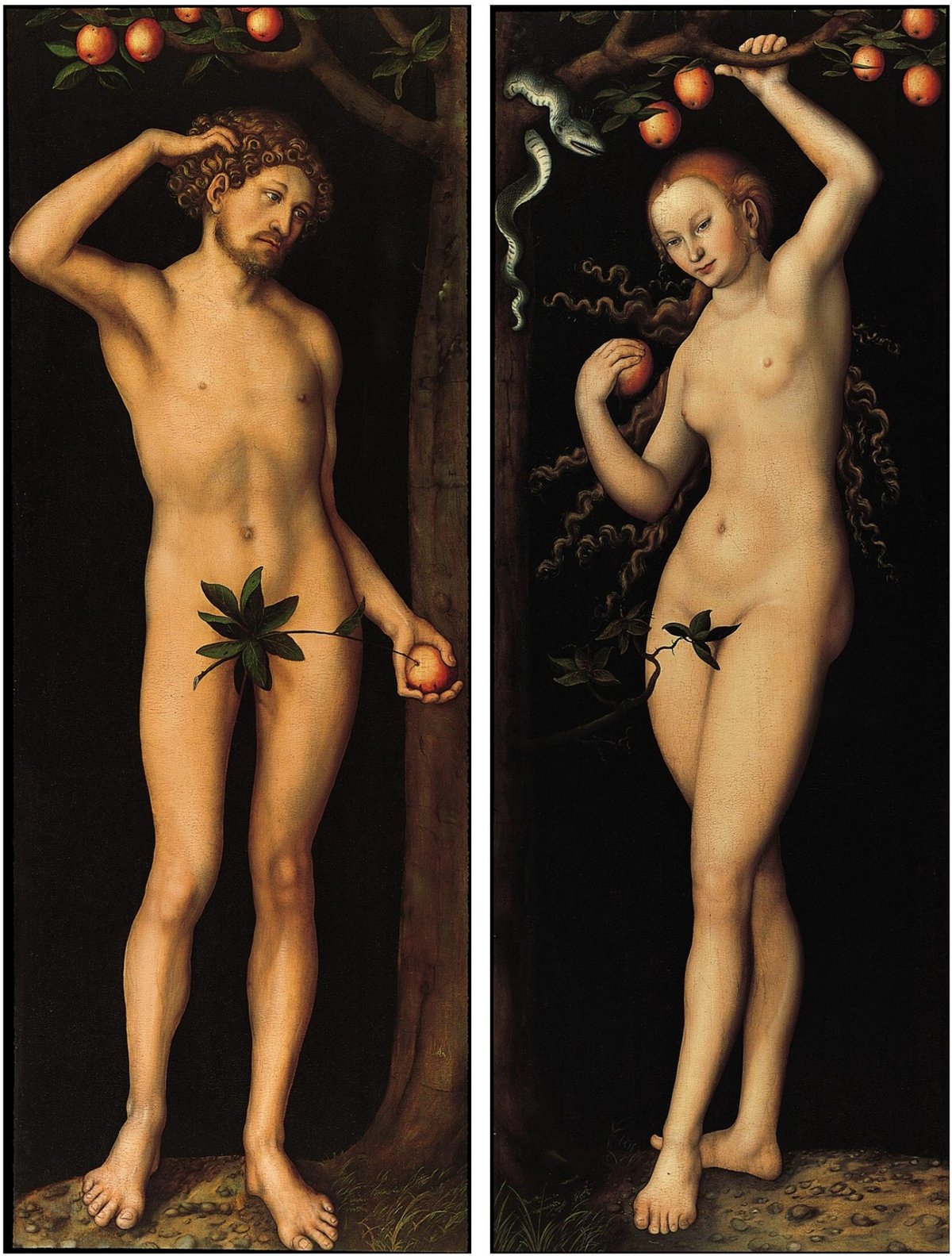
The state-court case seeks Lucas Cranach the Elder’s ‘Adam and Eve’ (around 1530), held by the Norton Simon Museum of Art in Pasadena. The claimants allege that Hermann Göring stole the diptych from Jacques Goudstikker’s gallery in the Netherlands in June 1940. They further contend that the Dutch government wrongly transferred it in 1966 to George Stroganoff-Scherbatoff, who sold it to the museum in 1971.
Marei von Saher, Goudstikker’s daughter-in-law and sole surviving heir, lost an earlier claim in 2018 when the Ninth Circuit applied the act-of-state doctrine to the Dutch transfer. Her assignees, the Jewish Federation Council of Greater Los Angeles and Daniel Todd Gryczman, argue that the California law expressly permits a new action following such a procedural dismissal. The Norton Simon Art Foundation says that courts have confirmed its proper title after decades of litigation.
Both cases may face challenges to the California statute’s validity and possible reliance on the act-of-state doctrine. The Holocaust Expropriated Art Recovery (Hear) Act of 2026 expressly restricts that defence in claims over art lost through Nazi persecution, though the museums could contest its effect.