Trust says Tate St Ives survey will centre on Barns-Graham’s glacier works
Due to open on 24 October 2026, the retrospective is scheduled to bring together more than 170 works and archival items from an eight-decade career.
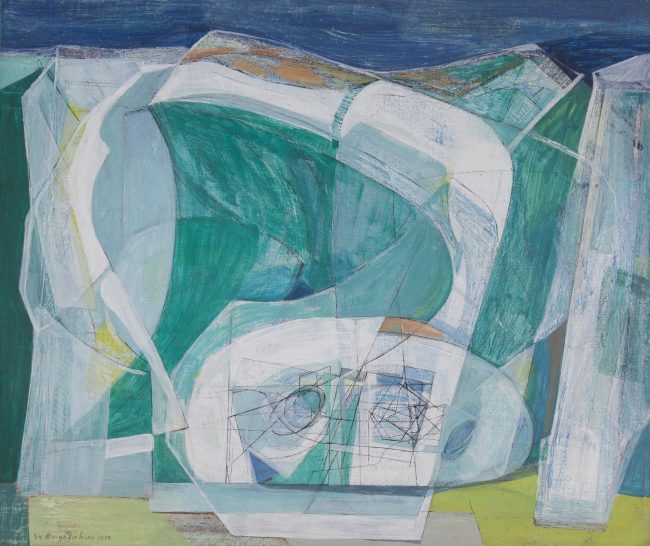
Tate St Ives is scheduled to open Wilhelmina Barns-Graham on 24 October 2026, with the exhibition running until 3 May 2027. The Wilhelmina Barns-Graham Trust describes it as the largest and most comprehensive survey of the Scottish artist’s work yet presented.
According to the Trust, the retrospective will bring together more than 170 paintings, drawings, prints and rarely seen archival items. It will follow Barns-Graham’s career from her early landscapes and studio interiors through to the colour, rhythmic forms and sweeping gestures of her later work.
A particular focus will be the artist’s glacier paintings, in what Tate describes as the largest museum presentation of the series to date. Barns-Graham visited the Grindelwald Glacier in Switzerland in 1949, an experience that prompted a remarkable sequence of compositions concerned with ice, light, structure and movement, and which marked a decisive moment in the development of her abstraction.
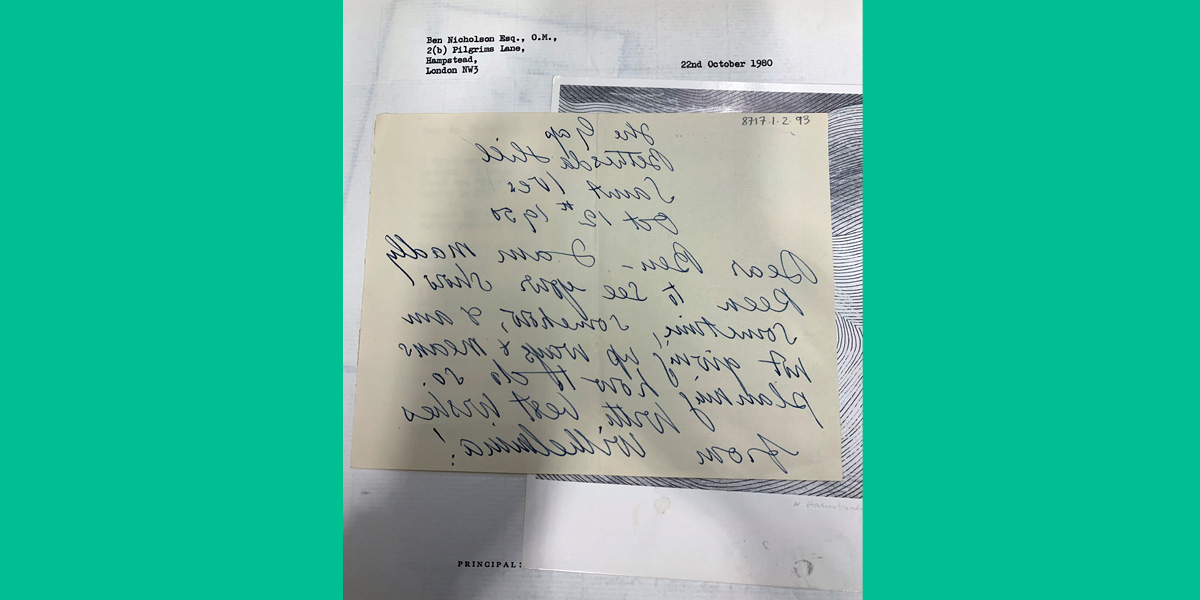
The concentration on the glacier works may also draw attention to a less straightforward aspect of Barns-Graham’s chronology: her willingness to return to paintings long after their original conception. Surviving evidence indicates that some works first painted around 1950, as well as others dating from the late 1970s, were subsequently reworked around the period of renewed exhibition activity in the late 1980s.
It is an important qualification when looking at Barns-Graham’s development. A date attached to a painting does not necessarily describe a single, completed moment. Earlier compositions could remain active objects in the studio, capable of being reconsidered and altered many years later. In some cases the extent of those interventions appears substantial enough to complicate any simple division between an artist’s “early” and “late” work.
A retrospective spanning the full length of Barns-Graham’s career therefore offers an unusual opportunity not only to follow the evolution of her imagery, but also to consider the physical histories of the paintings themselves. With the glacier pictures gathered in unprecedented numbers, close comparison may help clarify how particular compositions developed, and whether apparently early works preserve traces of Barns-Graham’s later thinking.
The Trust frames Barns-Graham’s approach to landscape through the phrase she used, “looking in / looking out”. In its account, places in Scotland, Cornwall and continental Europe became material for work concerned with sensation, memory, emotion and the relationship between inner perception and the external world.
The survey will conclude with the Scorpio paintings of her final decades, bringing the exhibition from the structural investigations prompted by Grindelwald to the exuberant colour and movement of her late work.
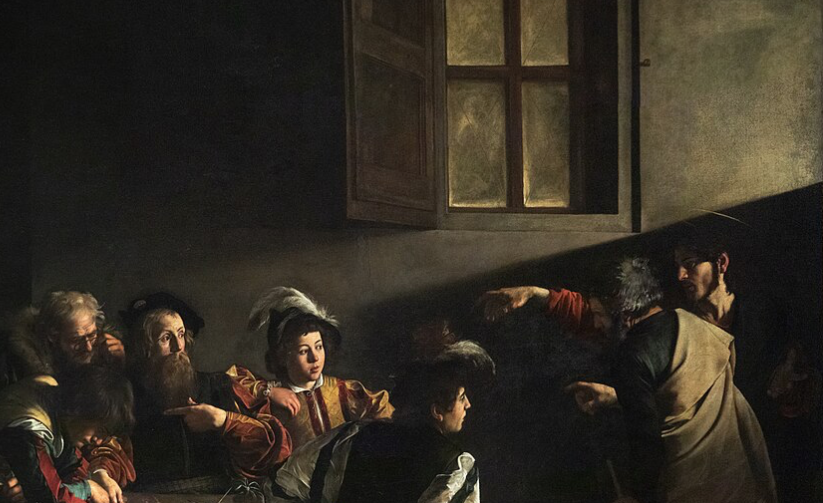
![Caravaggio, Calling of Saint Matthew [1599] Contarelli Chapel San Luigi Dei Francesi Rome](/media/editor/a620a08a-d529-418b-896c-b9d9eb3e3d34/b72144c0-0c69-bc60-79a7-8c81bfdee711.png)